Voice Command Integration Expanding Accessibility Options for Players with Motor Impairments in Casual Gaming Applications
Written by Riley Krause · Jul 24, 2026
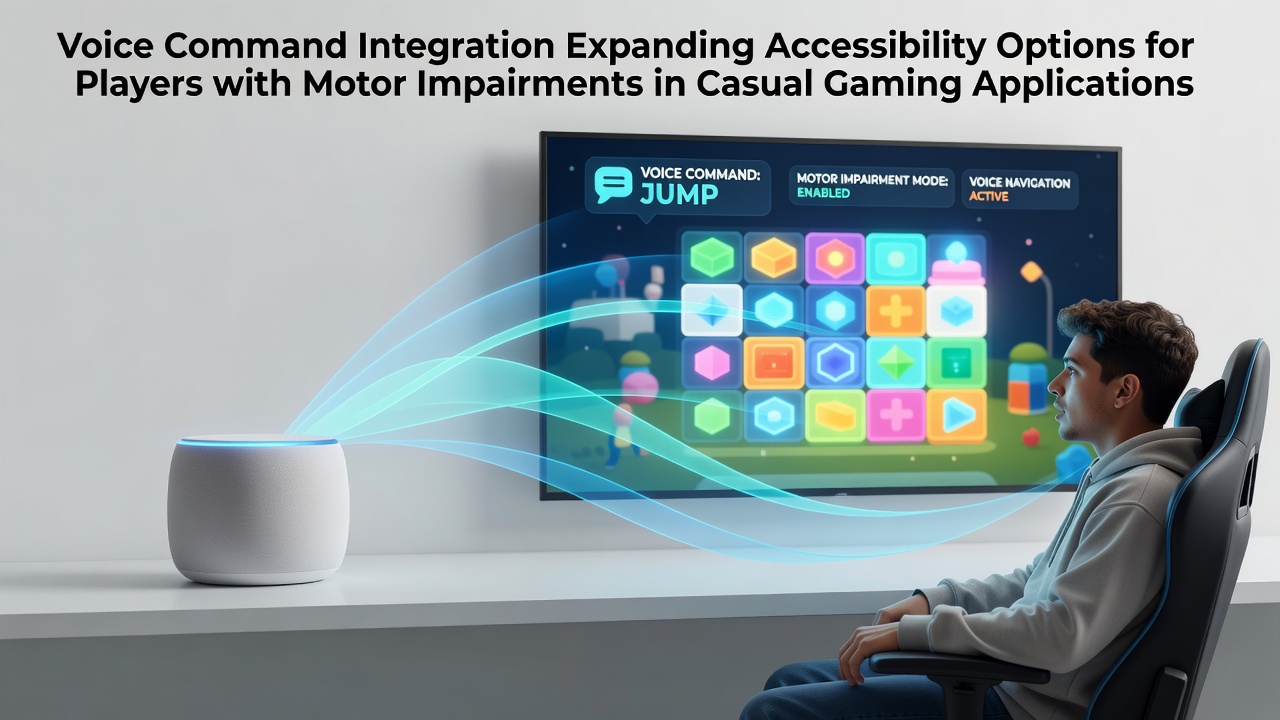
Voice Command Integration Expanding Accessibility Options for Players with Motor Impairments in Casual Gaming Applications
Voice command systems now appear in numerous casual gaming applications where players issue spoken instructions to control on-screen actions without physical taps or swipes, and developers integrate these features through device microphones paired with speech recognition engines that translate words into game commands such as moving pieces, selecting options, or advancing levels.
Research from academic institutions shows that motor impairments affect millions of individuals worldwide who encounter barriers when using standard touch controls, yet voice integration reduces those barriers by allowing precise input through natural speech patterns, and data from accessibility reports indicate rising adoption rates in mobile titles released after 2024.
Core Technologies Behind Voice Controls
Engineers combine natural language processing models with real-time audio analysis to map commands like "swap left" or "rotate block" directly onto game mechanics, while background noise filters maintain accuracy during typical home environments, and updates rolled out by mid-2025 refined accent recognition across multiple languages.
Those who have examined implementation details note that casual games benefit especially because their simpler rule sets require fewer command variations than complex simulations, which allows developers to train models on limited datasets yet achieve reliable performance.
Examples in Popular Casual Titles
One match-three puzzle application introduced voice-activated gem swaps in early 2026, enabling players to name colors and positions instead of dragging tiles, and similar features appeared in endless runner games where spoken directions replace swipe gestures for jumping or sliding.
Figures from industry tracking services reveal that titles incorporating voice options saw measurable increases in session lengths among users reporting motor challenges, and developers achieved these results by embedding the functionality as optional toggles within existing settings menus.
Accessibility Standards and Adoption Patterns
Guidelines from the United States Access Board emphasize inclusive design practices that encourage voice alternatives alongside traditional inputs, and European Union directives on digital accessibility further require developers to consider alternative control methods for applications distributed across member states.
As of July 2026, platform holders reported that over 120 casual games on major app stores offered some level of voice command support, with integration often completed through software development kits that handle microphone permissions and command parsing without extensive custom coding.
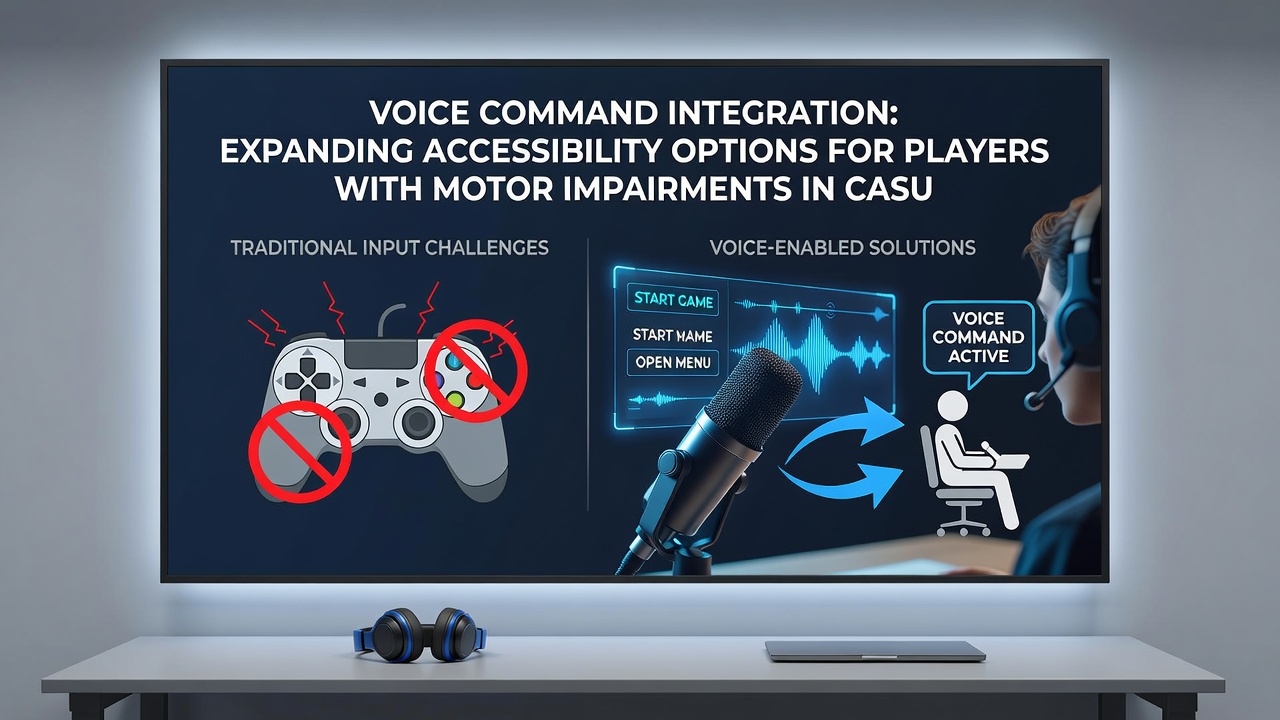
Observers note that integration timelines vary by studio size, yet smaller teams leverage cloud-based speech services to accelerate deployment while maintaining data privacy through on-device processing options where hardware permits.
Impact on Player Engagement and Retention
Studies conducted by university research groups found that voice-enabled casual games attracted new demographics previously excluded by motor limitations, and retention metrics improved because players could sustain longer play periods without physical fatigue associated with repeated tapping motions.
What's interesting is how these systems also benefit users without impairments during situations such as commuting or multitasking, though primary design focus remains on expanding access for those with specific physical needs, and developers continue refining command vocabularies based on aggregated usage patterns collected under consent protocols.
Challenges in Implementation
Background interference and varying speech clarity present ongoing technical hurdles that require iterative model training, yet progress in edge computing chips allows more processing to occur locally and reduces latency during command execution.
Industry associations document cases where initial voice features required multiple updates to reach acceptable accuracy thresholds, and those updates typically addressed edge cases such as rapid speech or dialect variations through expanded training data sourced from diverse participant groups.
Future Directions for Voice Integration
Developers explore hybrid approaches that combine voice with subtle device sensors to confirm commands or provide fallback options, and emerging standards aim to standardize command sets across different game genres to simplify learning curves for users who switch between applications.
Reports from research institutions highlight potential expansions into multiplayer casual environments where voice commands could coordinate team actions, though privacy considerations around always-on listening modes receive careful attention during design phases.
Conclusion
Voice command integration continues to reshape casual gaming by lowering physical barriers for players with motor impairments, and ongoing refinements in speech technology alongside supportive regulatory frameworks point toward broader availability in future releases, while current implementations already demonstrate measurable improvements in accessibility across popular mobile applications.