User Generated Content Pipelines in Mobile Simulation Games Let Communities Build and Share Custom Expansion Packs Directly Through Integrated Editing Suites
Written by Cameron Koch · Jul 26, 2026
User Generated Content Pipelines in Mobile Simulation Games Let Communities Build and Share Custom Expansion Packs Directly Through Integrated Editing Suites
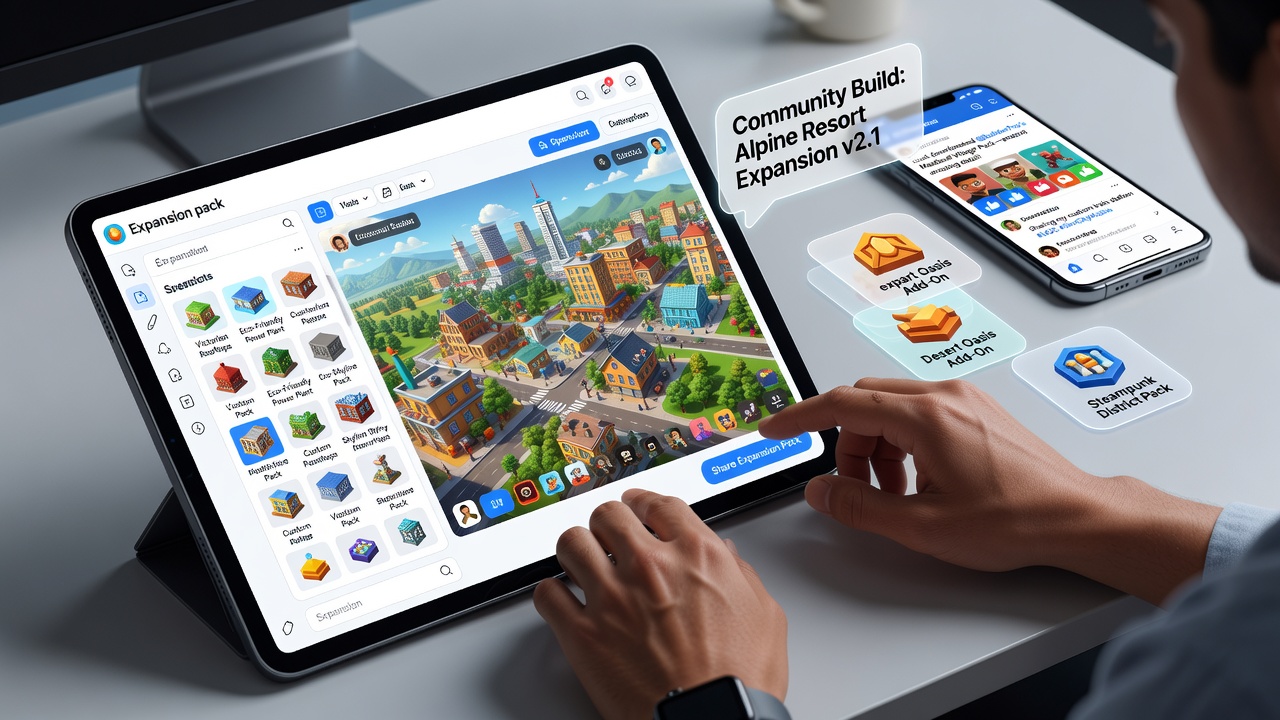
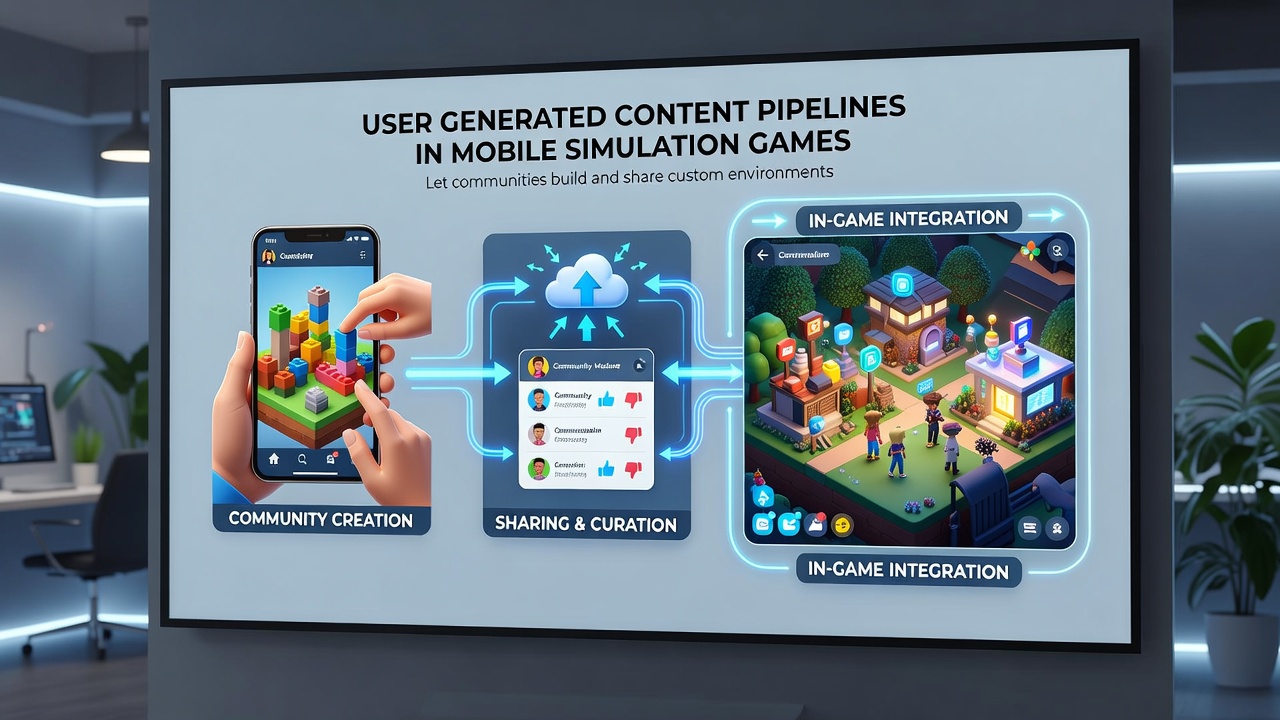
Integrated editing suites now sit inside many mobile simulation titles, giving players direct access to tools that let them design, test, and publish custom expansion packs without leaving the app. These pipelines combine asset import functions, scripting interfaces, and moderation layers so communities can contribute new buildings, vehicles, scenarios, and rule sets that others download and install on their devices.
Mechanics Behind the Pipelines
Developers embed lightweight editors that support drag-and-drop placement of pre-approved assets while allowing advanced users to tweak parameters through visual node systems or simple code blocks. Once creators finish a pack they submit it to an automated validation queue that checks file size, compatibility, and adherence to platform policies before the content appears in a shared marketplace. Players browse, rate, and install these additions directly from in-game menus, and updates propagate through server-side delivery so everyone receives the latest versions without manual patching.
Data from industry tracking services shows that titles using these systems record higher session lengths because players spend time both consuming and producing new material. In July 2026 several studios rolled out expanded asset libraries that include seasonal themes and region-specific objects, widening the range of packs available to communities in different markets.
Community Sharing and Moderation
Sharing occurs through built-in social features that let creators tag their work, add descriptions, and link related packs so players discover connected content easily. Moderation teams combine automated filters with player reports to maintain quality and remove items that violate terms. Research conducted by European digital economy observers indicates that transparent approval workflows increase participation rates because contributors see their work reach audiences faster when clear guidelines exist.
Examples of Implementation
One long-running city-building simulation introduced its editing suite in 2024 and by mid-2026 hosted over 120,000 user packs covering everything from historical districts to futuristic transit networks. Another life-simulation franchise opened its toolset to mobile users in early 2025, resulting in thousands of custom careers, neighborhoods, and event chains shared across regions. Observers note that these examples demonstrate how pipelines scale when developers provide both the creation tools and the distribution infrastructure inside a single application.
Technical and Business Considerations
Performance remains a key factor because mobile hardware varies widely, so pipelines include compression standards and device-specific testing before packs go live. Studios often partner with device manufacturers to optimize rendering pipelines for mid-range chipsets, ensuring custom content runs smoothly on a broad range of phones. Business models typically combine free access to core editing features with optional paid asset bundles that fund ongoing development of the tools themselves.
According to reports published by the Entertainment Software Association, user-generated ecosystems in simulation genres contribute measurable revenue through in-app purchases tied to creator rewards and featured placements. Canadian academic studies on digital content creation further reveal that structured pipelines lower barriers for new contributors compared with external modding communities that require separate software and file management.
Looking Ahead
Future updates scheduled after July 2026 are expected to add collaborative editing sessions where multiple players work on the same pack in real time and AI-assisted asset generation that suggests compatible objects based on existing designs. These additions build on current pipelines rather than replace them, preserving the community-driven model while expanding creative options.
Conclusion
User-generated content pipelines have become a standard feature in many mobile simulation games because they connect creation, validation, and distribution inside one environment. Communities gain the ability to extend game worlds with custom expansion packs, while developers maintain oversight through integrated moderation and technical standards. The approach continues to evolve as new tools and partnership models emerge, keeping the focus on accessible content production for players worldwide.