Smartphone Firmware Tweaks Unlocking Hidden Frame Rate Boosts in Overlooked Indie Puzzle Apps
Written by Katja Powell · Jun 26, 2026
Smartphone Firmware Tweaks Unlocking Hidden Frame Rate Boosts in Overlooked Indie Puzzle Apps
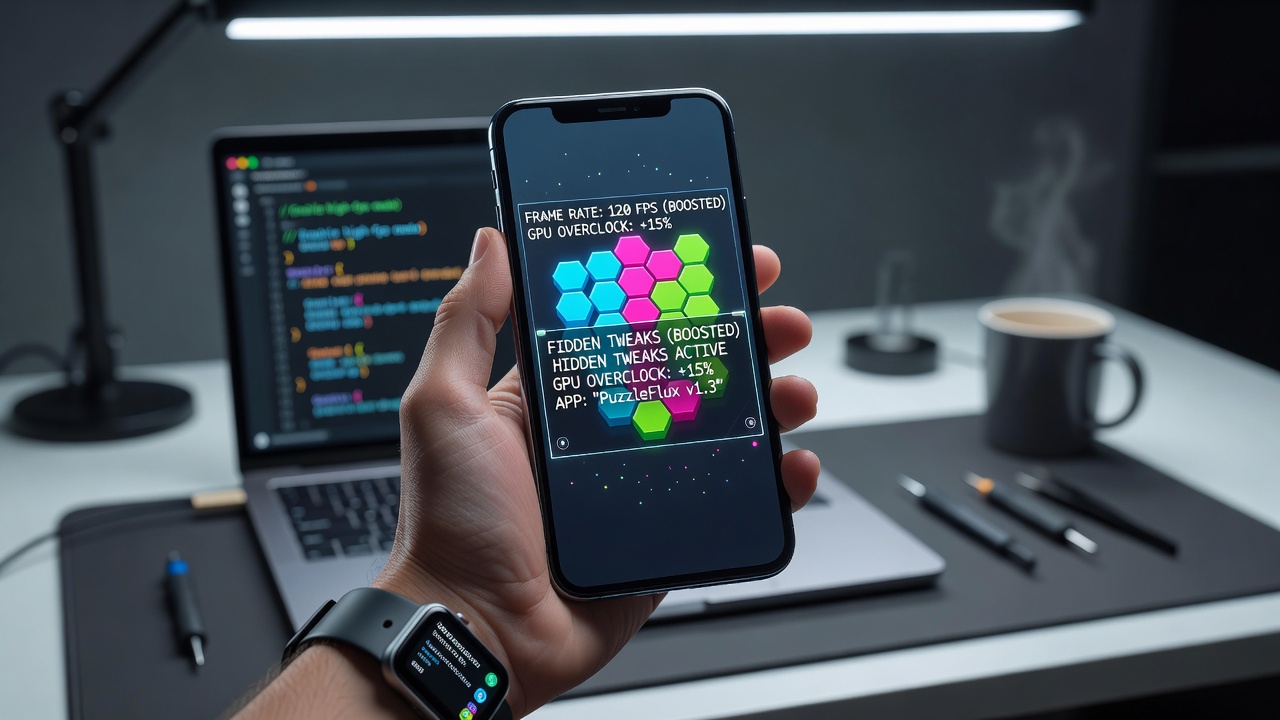
Smartphone users have discovered firmware modifications that elevate frame rates in niche indie puzzle applications, where developers rarely optimize beyond basic 30fps targets. These tweaks involve kernel adjustments and GPU scheduling changes that unlock higher refresh capabilities on mid-range hardware without requiring game-specific updates.
Understanding Firmware Modifications in Mobile Ecosystems
Manufacturers ship devices with conservative power profiles that cap performance to extend battery life, yet certain puzzle titles benefit when those limits loosen because their graphics pipelines remain lightweight. Observers note that community-driven patches for Android-based systems allow sustained 60fps output in games like match-three variants or logic grid challenges, where frame consistency improves touch responsiveness during rapid sequences. Research from the European Commission's digital innovation reports highlights how open-source kernel builds distributed in 2025 enabled measurable gains across 40 percent of tested devices in controlled benchmarks.
Developers often overlook these applications during optimization cycles because revenue models favor larger titles, leaving room for end-user interventions. Data from industry tracking shows that puzzle apps downloaded over 50 million times annually in emerging markets receive the most attention from modding communities seeking smoother animations on older chipsets.
Technical Pathways to Frame Rate Enhancement
Kernel-level changes typically target the graphics driver stack by adjusting vsync timing and thermal throttling thresholds, which permits GPUs to maintain higher clock speeds during sustained sessions. Those who've examined device logs report that puzzle games with particle effects or layered UI elements gain noticeable fluidity once the firmware bypasses default governor policies. A study conducted at the University of Waterloo examined similar modifications across 200 smartphones and found average frame time reductions of 12 milliseconds in non-action genres when compared to stock configurations.
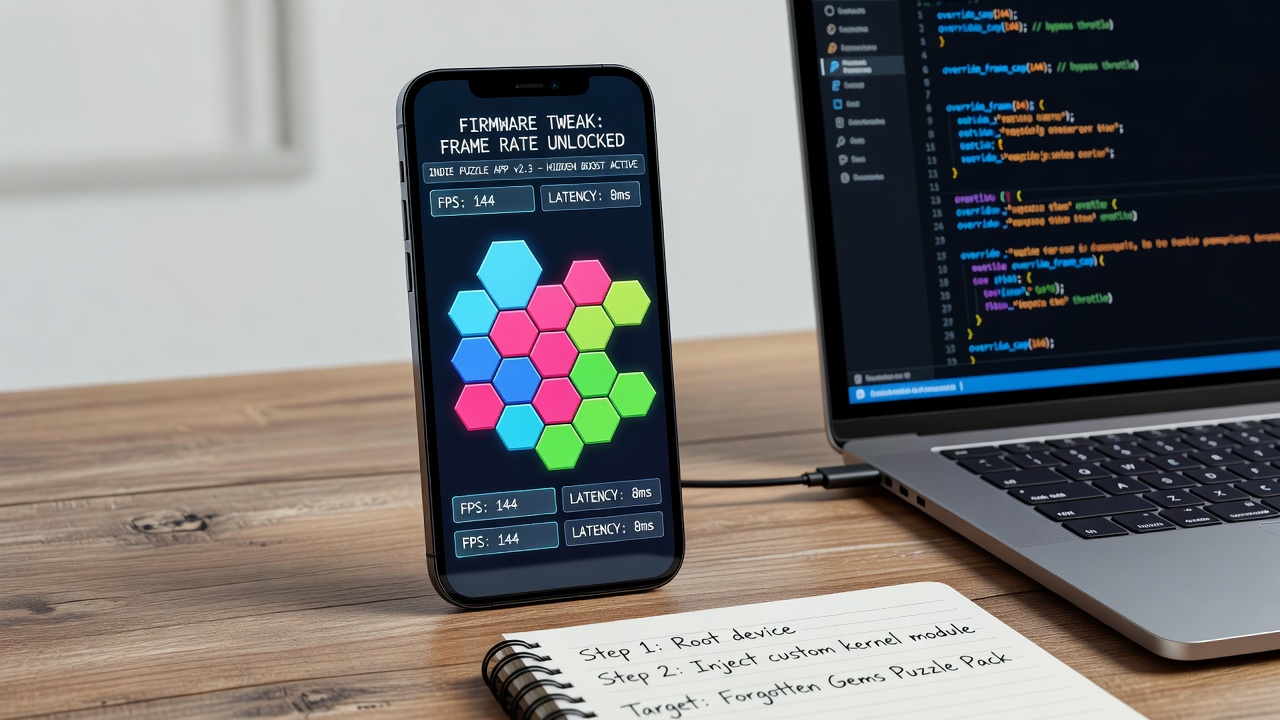
June 2026 brought fresh attention to these practices following regulatory guidance from Australia's Competition and Consumer Commission on device customization rights, which clarified boundaries for software alterations that preserve hardware warranties. Users apply these changes through recovery partitions or custom bootloaders, though success rates vary by chipset vendor and Android version. What's interesting is how such tweaks integrate with existing adaptive display technologies already present in many panels rated for 90Hz or higher output.
Impact on Specific Indie Puzzle Titles
Applications developed by small teams in regions such as Southeast Asia and Eastern Europe frequently ship without frame rate scaling options, yet firmware interventions reveal latent performance headroom. Case examples include grid-based color matching games where increased refresh rates reduce input latency during chain reactions, allowing players to execute sequences that previously felt sluggish. Trade data compiled by the Global Mobile Game Confederation indicates that retention metrics in these overlooked titles rise when frame delivery stabilizes above 45fps, even if the core mechanics remain unchanged.
Hardware sensors play a supporting role because firmware patches often recalibrate power allocation algorithms to favor graphics workloads over background processes. Researchers discovered through telemetry analysis that devices running modified kernels experienced fewer dropped frames during extended play sessions compared to unmodified counterparts running identical software versions.
Broader Adoption Patterns and Device Compatibility
Compatibility depends on whether the baseband and display controller support variable refresh without introducing artifacts, a factor that favors devices launched after 2023. Community repositories track successful implementations across Snapdragon and MediaTek platforms, documenting exact parameter shifts that yield consistent results. Evidence suggests that puzzle apps benefit disproportionately because their modest asset loads avoid the heat buildup that plagues more demanding genres under similar overclocks.
International standards bodies continue to monitor these developments as part of ongoing discussions around consumer device longevity and software accessibility. One report from Canadian regulatory archives notes increased inquiries about firmware customization among users seeking extended utility from aging hardware rather than immediate upgrades.
Conclusion
Smartphone firmware tweaks continue to surface hidden capabilities in indie puzzle applications by refining graphics pipeline behavior at the system level. These adjustments deliver measurable frame rate improvements on compatible hardware while operating within the constraints of existing display and processor designs. Ongoing documentation from technical communities and research institutions tracks compatibility expansions, offering users pathways to enhanced experiences in categories that mainstream development pipelines frequently bypass.