Quantum-Inspired Algorithms Streamlining In-App Economy Balancing for Casual Smartphone Titles
Written by Cameron Krause · Jun 24, 2026
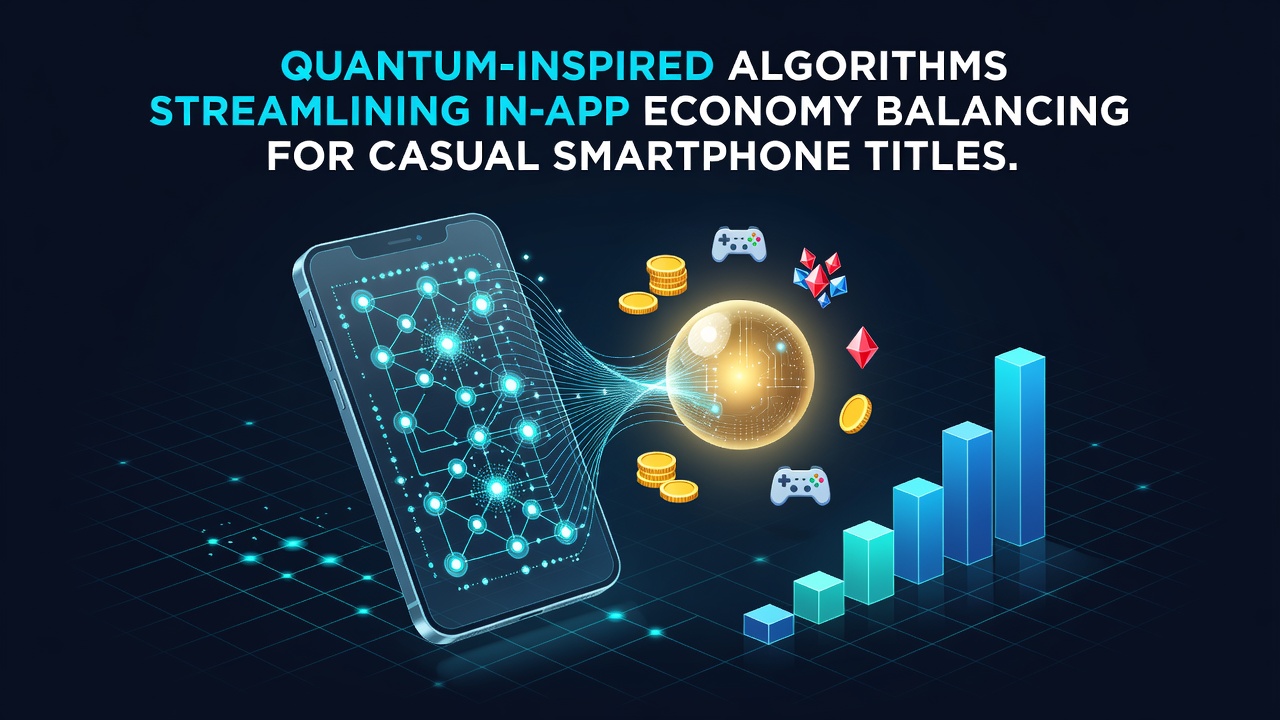
Quantum-Inspired Algorithms Streamlining In-App Economy Balancing for Casual Smartphone Titles
Quantum-inspired algorithms draw from principles like superposition and annealing to tackle complex optimization tasks in classical computing environments, and developers now apply these methods to balance in-app economies within casual smartphone titles where virtual currencies, reward structures, and item pricing must adjust dynamically to player behavior patterns. These techniques help stabilize progression systems in games that rely on frequent microtransactions while preventing inflation or resource shortages that disrupt engagement over time.
Core Mechanisms Behind the Approach
Researchers model economy balancing as an optimization problem involving multiple variables such as daily active users, average revenue per player, and item acquisition rates, and quantum-inspired solvers explore vast solution spaces more efficiently than traditional linear programming alone. Simulated annealing variants, for instance, allow systems to escape local optima when adjusting drop rates for premium currency or calibrating battle pass rewards across different player segments. Data from millions of sessions feeds into these models, enabling real-time tweaks that maintain fairness without constant manual intervention by design teams.
Implementation in Casual Game Genres
Match-three puzzles and endless runners represent common testing grounds because their simple loops generate predictable yet voluminous transaction data, and algorithms process this information to set personalized offers that align spending incentives with retention goals. One deployment in a popular endless runner updated energy refill costs based on cohort analysis, reducing churn among mid-tier spenders by redistributing value across daily login bonuses and limited-time bundles. Observers note that such adjustments occur several times per day during peak activity windows, drawing from historical patterns collected since early 2025.
Performance Metrics and Industry Data
Figures from operational deployments reveal average improvements in economy stability metrics, with some titles reporting tighter control over virtual inflation rates within weeks of integration. A collaborative project involving developers across Asia Pacific regions demonstrated how these solvers handle multi-objective functions that include both revenue targets and player satisfaction scores simultaneously. External validation comes from reports issued by the Singaporean Infocomm Media Development Authority, which track broader trends in mobile monetization efficiency.
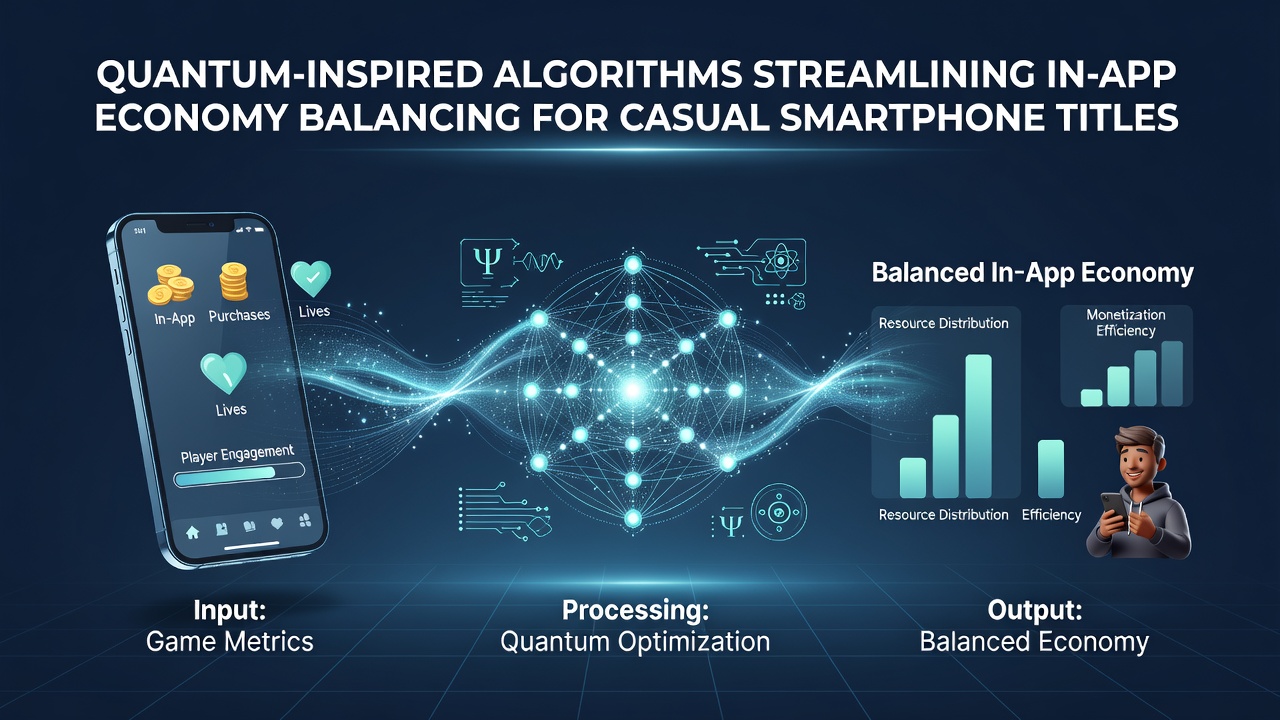
By June 2026 several studios had incorporated hybrid frameworks that combine quantum-inspired sampling with conventional machine learning predictors, allowing faster convergence during events like seasonal updates or cross-promotional campaigns. This timing coincided with increased availability of cloud-based optimization services tailored for mid-sized teams lacking dedicated research staff.
Technical Integration Challenges
Teams must map game-specific constraints such as inventory caps and progression gates into compatible cost functions before feeding data into solvers, and latency requirements on mobile devices push most heavy computation to backend servers with occasional edge caching for immediate offer delivery. Compatibility testing across device tiers ensures that recommendations reach users without introducing additional battery drain or connection issues during live sessions. Those who've studied adoption patterns point out that smaller studios often start with cloud APIs from established providers before building proprietary variants.
Comparative Advantages Over Legacy Systems
Traditional rule-based balancing relies on periodic spreadsheets and A/B test cycles that can span days or weeks, whereas quantum-inspired methods evaluate thousands of parameter combinations in parallel to surface viable configurations more rapidly. This speed proves especially useful in live-service casual titles where sudden spikes in player acquisition from app store features demand immediate economy recalibration to avoid resource bottlenecks. Evidence from controlled rollouts shows reduced variance in daily retention curves when these algorithms guide pricing decisions.
Future Outlook for Broader Adoption
Academic groups continue refining hybrid solvers that blend quantum-inspired heuristics with reinforcement learning agents, potentially extending applications to more narrative-driven casual experiences that incorporate branching purchase paths. Regulatory discussions around transparent monetization practices in various jurisdictions encourage documentation of algorithmic decision factors, prompting developers to maintain audit logs alongside their optimization pipelines. Continued refinement should expand access for independent creators working on titles distributed through regional platforms.
Conclusion
Quantum-inspired algorithms provide structured ways to manage the intricate variables that define sustainable in-app economies in casual smartphone games, supporting consistent player experiences while aligning with revenue objectives across diverse markets. As integration tools mature and datasets grow richer through 2026 onward, wider implementation across genres becomes increasingly feasible for teams of varying scales.