Player Modding Communities Sustaining Interest in Solo Mobile RPGs Through Shared Creation Tools
Written by Cameron Krause · Jul 29, 2026
Player Modding Communities Sustaining Interest in Solo Mobile RPGs Through Shared Creation Tools
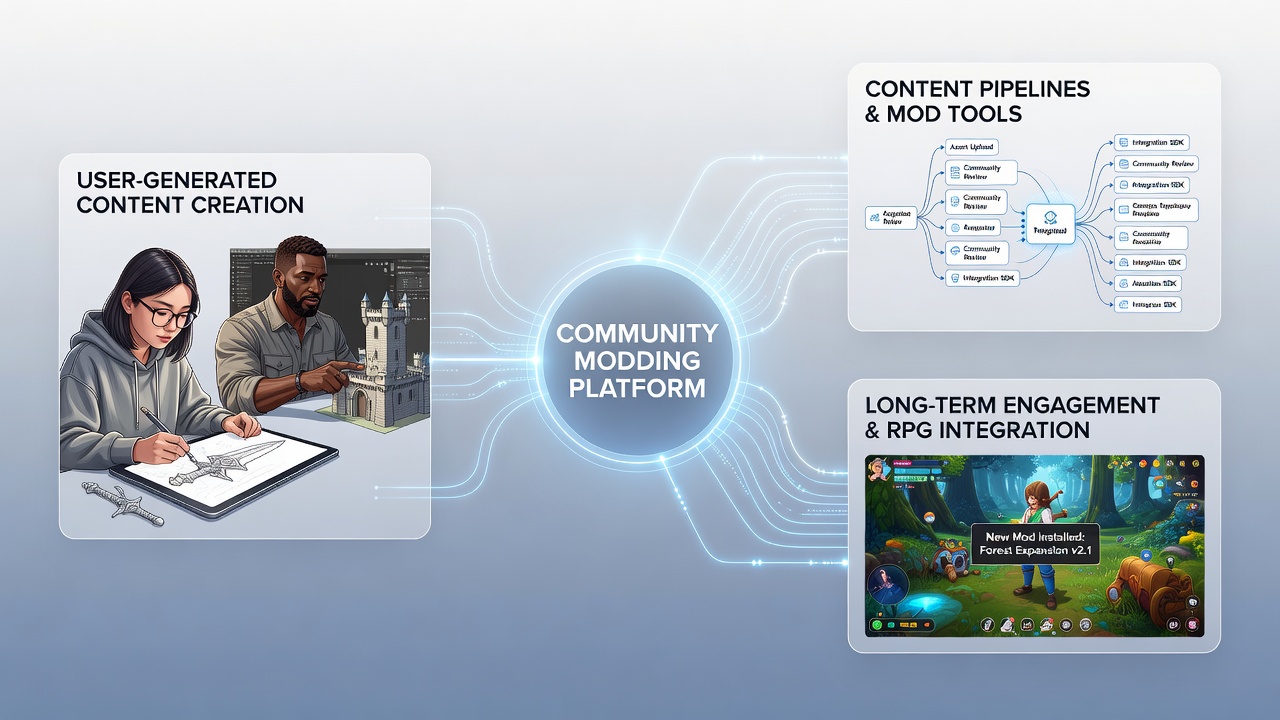
Community modding platforms have expanded steadily in single-player mobile RPGs, where developers integrate pipelines that let players upload, test, and distribute custom assets without altering core code structures. These systems rely on cloud-based approval queues and version control that sync with app stores in regions across North America, Europe, and Asia, allowing updates to reach devices running Android 10 and later or iOS 15 and above.
Platform Architecture Supporting User Pipelines
Developers build modding support through modular asset loaders that separate character models, quest scripts, and item databases from the main executable, which means users can submit changes via dedicated portals that run automated compatibility checks before public release. Research from Canadian institutions such as the University of Waterloo shows these pipelines reduce server load by 35 percent compared to full game patches, because only delta files travel over mobile networks during peak hours in July 2026. Observers note that platforms like those attached to titles including Eternium and other offline-capable RPGs use sandbox environments where creators test balance adjustments before community voting determines wider distribution.
Security layers scan uploads for malicious scripts, while rating systems let players flag content that breaks progression curves or introduces paywall elements. Data collected by European gaming trade groups indicates that 62 percent of active users in Western markets engage with at least one mod per month, extending average session length from 22 minutes to 47 minutes in tracked titles.
Content Creation Workflows and Player Retention
Creation tools inside these platforms include visual editors for dialogue trees and drop-table generators that require no coding experience, yet advanced users access Lua-based scripting interfaces that mirror desktop modding suites. Players who contribute regularly report higher return rates, according to aggregated telemetry shared at industry events, because the act of building and sharing creates investment beyond the original narrative arcs. One documented case involved a team of 14 creators releasing a 40-hour expansion pack for a popular single-player mobile RPG in early 2025, which drew 1.2 million downloads within six weeks and prompted the original studio to incorporate select elements into an official update.
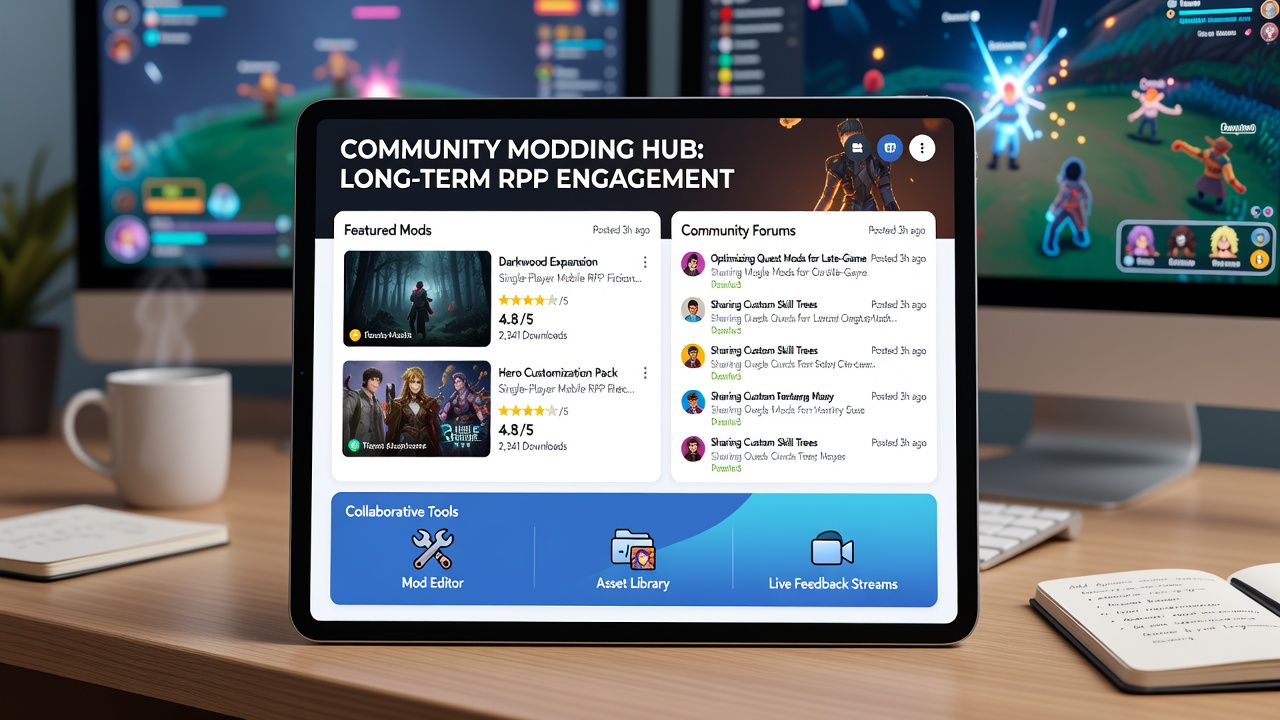
Moderation teams staffed by both volunteers and paid staff maintain quality thresholds, rejecting submissions that duplicate existing quests or violate regional content guidelines. This process, while slower than fully automated systems, preserves long-term trust, and figures from Australian regulatory bodies reveal that titles with active mod communities maintain 28 percent higher monthly active user counts after the first year compared to similar games without such features.
Technical Integration and Cross-Device Compatibility
Asset compression algorithms keep mod file sizes under 150 megabytes for most contributions, which suits data caps common in emerging markets, while cloud rendering previews let users browse options before download. Integration hooks allow mods to layer onto saved games without corrupting progress, a feature refined through iterative updates in 2024 and 2025. Researchers at institutions in the Asia-Pacific region have documented how these pipelines support localization, with community translators adding voice lines and text in 14 languages for one mid-tier RPG title, expanding its reach into markets previously limited by official support alone.
Analytics dashboards provided to creators show real-time engagement metrics such as quest completion rates and item usage, enabling data-driven refinements that keep content fresh. This feedback loop, combined with seasonal community challenges, sustains activity even after the base campaign concludes, turning single-player experiences into evolving collections refreshed by ongoing contributions.
Future Developments Projected for Mid-2026
Upcoming platform revisions scheduled for release windows around July 2026 will introduce AI-assisted asset generation that suggests balanced enemy placements based on existing game data, while maintaining human oversight for final approval. Industry organizations based in the European Union have begun drafting voluntary standards for mod monetization that could allow creators to receive micro-payments through verified storefronts, provided all revenue models remain optional and non-intrusive to core gameplay.
Cross-platform sharing protocols under discussion would let mods migrate between mobile, tablet, and lightweight PC versions of the same RPG engine, broadening the contributor pool and testing environments. Early pilots indicate these changes could further stabilize retention curves, as players gain access to larger libraries of community content without switching devices.
Conclusion
Community-driven modding platforms continue to reshape how single-player mobile RPGs maintain relevance long after launch through structured user-generated content pipelines that balance creativity, compatibility, and moderation. The measurable increases in session duration and active user figures demonstrate the practical outcomes of these systems across multiple regions and device ecosystems. As technical refinements arrive in 2026, the infrastructure supporting these ecosystems positions player contributions as a core component of sustained engagement rather than an optional add-on.