Microtransaction Reward Timing Patterns Shaping Player Spending Habits Across Free-to-Play Mobile Battle Arenas
Written by Iris Albrecht · Aug 5, 2026
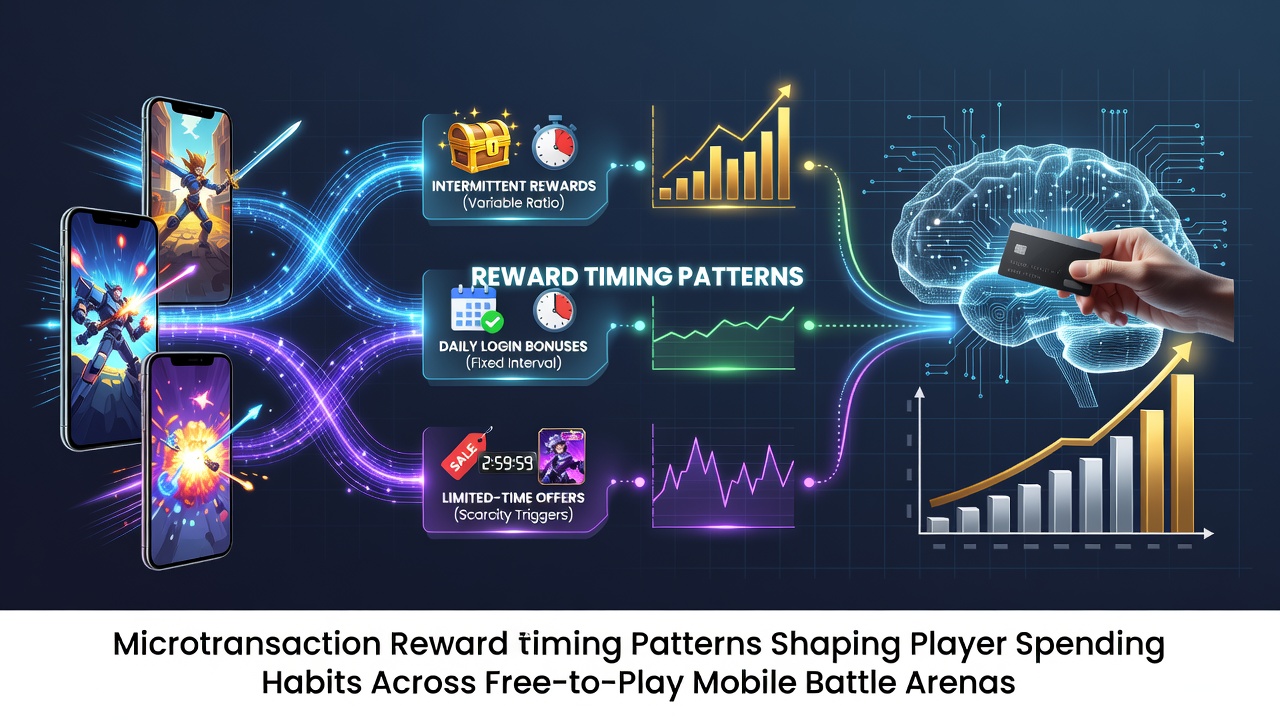
Microtransaction Reward Timing Patterns Shaping Player Spending Habits Across Free-to-Play Mobile Battle Arenas
Free-to-play mobile battle arenas rely on carefully sequenced reward deliveries that align with player session lengths and progression milestones, and researchers tracking these systems note how timing influences when users convert from free play to paid purchases. Developers release daily login bonuses, post-match crates, and limited-time event items at intervals that coincide with peak engagement windows, which data from multiple titles shows correlates with higher conversion rates during evening hours in various regions. Observers note that early-session rewards, such as starter bundles offered within the first five matches, encourage initial microtransaction activity while longer-term patterns emerge around weekly reset cycles that prompt renewed spending.
Patterns documented across games like Mobile Legends: Bang Bang and Arena of Valor reveal that reward windows clustered around competitive rank resets drive increased purchases of battle passes and cosmetic upgrades, and industry reports track these behaviors through anonymized transaction logs. When rewards appear immediately after losses or near-miss victories, spending on revival items and performance boosts rises compared to rewards distributed at session start, according to analyses conducted by academic teams studying digital economies. Those who examine server-side telemetry find that staggered reward schedules, where small free items precede premium offers by 15 to 30 minutes, sustain session duration and elevate the likelihood of later transactions.
Session Length and Reward Cadence
Player data collected from millions of accounts indicates that sessions lasting between 20 and 40 minutes see the highest overlap between reward notifications and spending events, while shorter sessions under 10 minutes register fewer conversions even when rewards appear. Developers adjust timing based on regional time zones, releasing global events during local evening peaks, and figures from August 2026 platform updates show refined algorithms that personalize these deliveries further using device usage history. External factors such as network stability also factor in, since interrupted sessions reduce the impact of time-sensitive offers that require immediate response.
Case examples from multiple titles demonstrate how weekend reward clusters, spaced two hours apart, generate repeated logins that accumulate toward higher-value bundles, and researchers comparing control groups with varied cadences confirm measurable differences in average revenue per user. The placement of free reward tiers just before paid escalation points creates a progression ladder where players encounter natural decision points, and telemetry studies capture elevated click-through rates at those exact moments.
Regional Variations and Data Patterns
Markets in Southeast Asia and Latin America display distinct timing preferences, with reward drops aligned to school or work break periods producing stronger spending responses than uniform global schedules, according to aggregated reports from mobile analytics providers. European data protection frameworks require transparency around these timing mechanisms, and compliance documentation from the European Data Protection Board outlines how user consent processes intersect with personalized reward delivery. North American regulatory filings similarly reference session analytics that inform microtransaction strategies without disclosing proprietary algorithms.
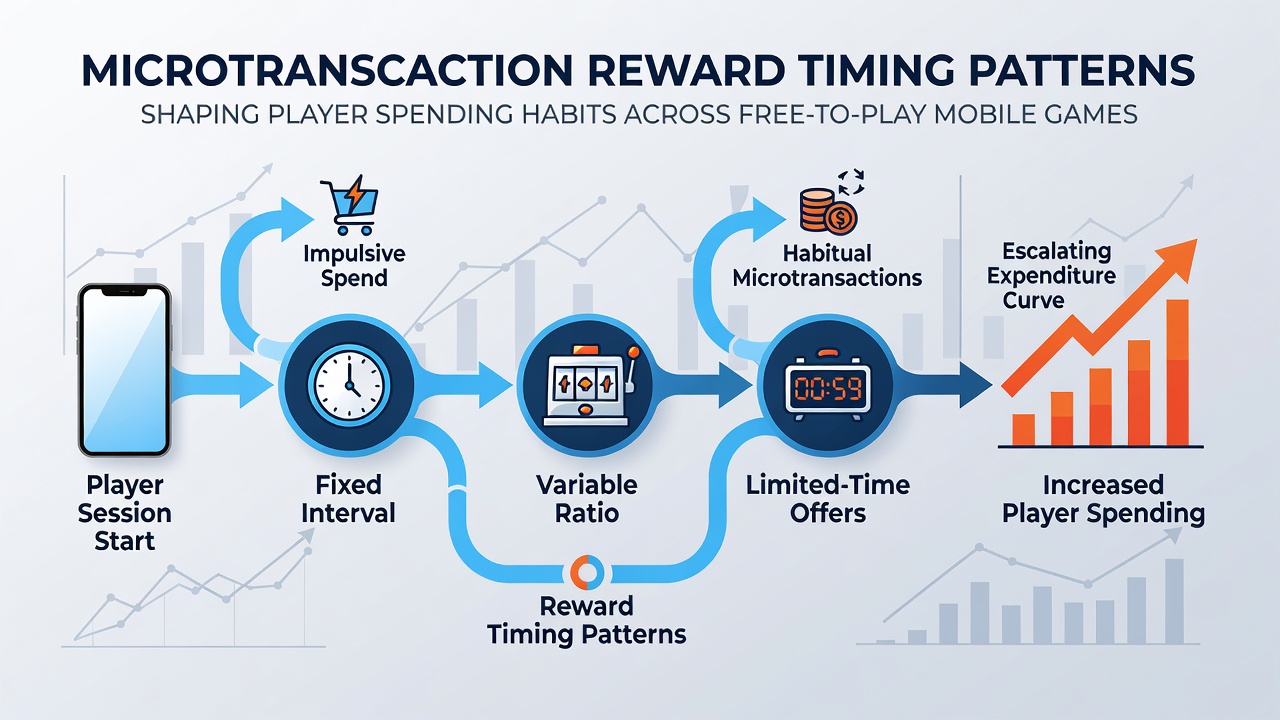
Academic examinations from institutions tracking behavioral economics in digital environments have mapped how reward latency affects perceived value, and one study released through the OECD digital economy papers series details cross-platform comparisons that include battle arena mechanics. Australian Competition and Consumer Commission guidance on digital purchases further examines timing disclosures that influence consumer decisions, providing a separate regional lens on the same patterns observed elsewhere.
Progression Milestones and Conversion Triggers
Level-up rewards delivered immediately after major rank thresholds correlate with purchases of hero unlocks and skin upgrades, while delayed rewards distributed hours later show lower immediate conversion in the same player cohorts. Battle arena titles incorporate event timers that reset at predictable intervals, and developers publish patch notes confirming adjustments to these windows based on aggregate spending velocity tracked across device types. Observers reviewing public API data note that seasonal events lasting 14 to 21 days incorporate daily reward streaks that accelerate spending toward the midpoint and final days.
Telemetry comparisons across device performance tiers indicate that lower-end hardware users respond more strongly to rewards spaced further apart, allowing time for resource accumulation, whereas flagship device sessions support denser reward sequences that maintain momentum toward purchases. These differentiated approaches appear in developer conference presentations that share anonymized metrics without revealing exact proprietary thresholds.
Conclusion
Timing mechanisms embedded in free-to-play mobile battle arena economies continue to evolve alongside platform capabilities and regulatory environments, and available datasets from 2026 illustrate consistent correlations between reward placement adn spending behavior across diverse player bases. Further examination of these systems draws on transaction records, session logs, and regional compliance reports that together map how intervals between free and paid offers shape user trajectories through the games.