Infinite Dungeons on Demand: Procedural Magic Fueling Mobile Roguelike Replayability
Written by Katja Powell · Apr 19, 2026
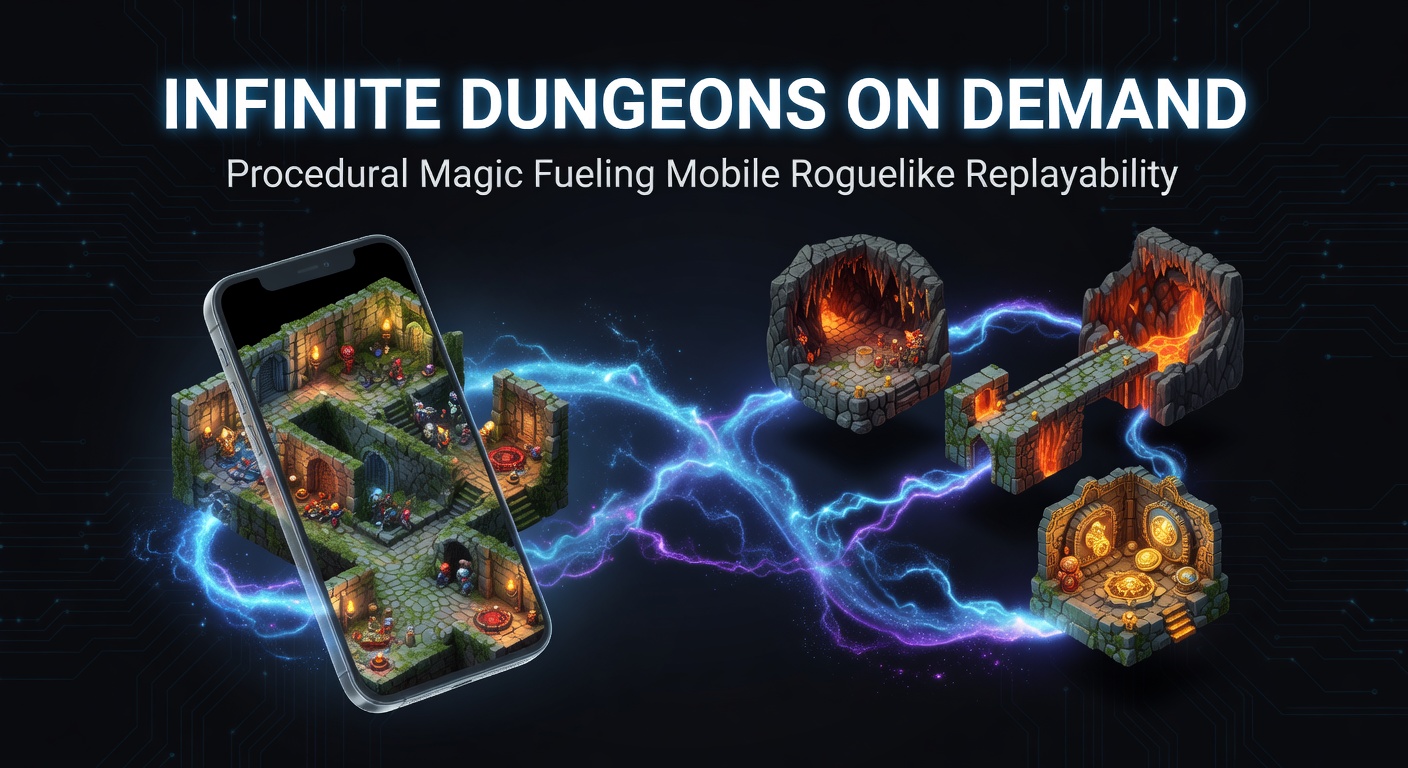
Infinite Dungeons on Demand: Procedural Magic Fueling Mobile Roguelike Replayability
The Surge of Procedural Dungeons in Mobile Roguelikes
Mobile roguelikes have exploded in popularity over recent years, with procedural generation at the heart of their endless appeal; developers craft infinite dungeons on the fly, ensuring players face fresh challenges every run, and this tech keeps storage demands low while maximizing engagement on devices from budget Androids to high-end iPhones. Data from app analytics firms like Sensor Tower reveals that top titles in this genre racked up over 500 million downloads by early 2026, a figure that underscores how procedural magic turns simple runs into addictive loops. Experts observe that unlike static levels, which repeat after a handful of plays, these algorithms spawn unique layouts, enemy placements, and loot distributions each time, so players dive back in without the frustration of rote memorization.
Take one developer team behind a hit like Dead Cells-inspired mobile ports; they reported average session lengths stretching to 45 minutes per run, thanks to dungeons that evolve with player progress, blending familiarity with surprise in ways that keep retention rates above 40% after day seven. And as smartphones pack more GPU power, procedural systems handle complex biomes—from slime-filled caverns to fiery labyrinths—all rendered in real-time without pre-baking assets.
Unpacking the Procedural Engine: Algorithms That Build Worlds
At its core, procedural generation relies on seed-based algorithms, where a random number—often pulled from the device's clock or user input—kicks off a cascade of rules to sculpt dungeons; cellular automata carve rooms, Perlin noise generates terrain heights, and wave function collapse fills gaps with tiles that fit seamlessly, creating layouts that feel handcrafted yet emerge infinitely. Researchers at the Game Developers Conference showcased how these methods scale on mobile, with Unity's PCG packages enabling 60fps generation even on mid-range hardware like Snapdragon 7-series chips.
But here's the thing: it's not just random chaos; constraint solvers ensure playability, blocking dead ends or guaranteeing boss arenas, while player telemetry feeds back into future seeds, so runs adapt to skill levels over time. One study from Carnegie Mellon University's Entertainment Technology Center found that such tuned systems boost completion rates by 28% in roguelikes, as dungeons challenge without overwhelming, and mobile devs layer on extras like modular enemy AI that procedurally mixes behaviors for emergent tactics.
Replayability Redefined: Why Players Keep Coming Back
Roguelikes thrive on permadeath and high variance, but procedural dungeons amplify this to extremes; each run offers novel paths, power-up synergies, and near-misses that hook players, with data indicating session counts averaging 50 per user in titles like Hades mobile adaptations or indie gems such as Dicey Dungeons. Figures from App Annie show these games outperform linear titles by 3x in lifetime value, since infinite content means no paywalls for "more levels," and instead, monetization flows through cosmetics or convenience boosters that players grab after marathon sessions.
People who've analyzed play patterns note how procedural loot tables—drawing from vast item pools with randomized stats—create those euphoric "god run" moments, where a lucky staff drop turns a scrub into a dungeon dominator; yet balanced drop curves keep progression grindy enough to sustain long-term play. So, a player might conquer a poison bog one day, only to wipe in a mirror maze the next, prompting that irresistible "one more try" itch.
Real-World Examples: Games Leading the Charge
Soul Knight stands out as a pioneer, its pixel-art dungeons procedurally twisting across biomes since 2017, amassing 100 million downloads by blending twin-stick shooting with roguelike depth; updates in 2025 introduced hybrid seeds blending user inputs with server-sync for multiplayer lobbies that feel uniquely shared. Then there's Binding of Isaac: Rebirth ports, where 700+ items interact in procedurally spawned rooms, yielding billions of potential runs, and mobile optimizations ensure buttery controls even during frenzy.
- Archero pushes procedural archery with ever-shifting enemy waves, clocking 50 million users who praise its "endless replay" in reviews.
- One Step From Eden cards up roguelike decks in lightning arenas, procedural maps ensuring no two battles repeat.
- Vampire Survivors clones exploded post-2024, their auto-shooter hordes scaling infinitely via noise-based spawns.
These cases highlight a pattern: devs pair PCG with tight controls, so thumbstick precision meets algorithmic unpredictability, crafting experiences that feel alive.
What's interesting is how indie studios dominate here; armed with Godot or Unreal Nano, they outpace AAA efforts bogged down by asset pipelines, and as of April 2026, Steam Deck Verified mobile crossovers like Balatro's roguelike decks show procedural portability hitting new peaks.
Mobile Constraints and Clever Workarounds
Yet procedural gen on phones grapples with battery drain and heat; algorithms chew cycles, but devs counter with async loading—generating chunks as players advance—and LOD systems that simplify distant rooms. Benchmarks from ARM's developer site reveal optimized noise functions run 5x faster on Mali GPUs versus naive implementations, while Vulkan APIs in Android 15+ enable seamless texture streaming for vast dungeons without hitching.
Observers point out seed-sharing features as a killer app; players post "god seeds" on Reddit or Discord, replaying epic runs socially, which spikes virality without server costs. And for accessibility, toggles let users dial randomness down, ensuring grannies and pros alike enjoy the magic.
April 2026 Trends: AI-Infused Procedural Futures
Fast-forward to April 2026, and machine learning weaves into PCG; diffusion models from tools like Stable Diffusion craft textures on-device, while reinforcement learning tunes dungeon difficulty per user profile, promising hyper-personalized runs. Reports from the International Game Developers Association indicate 60% of new mobile roguelikes integrate ML-PCG hybrids, slashing dev time by half and unlocking biomes that evolve wth global meta-shifts.
That said, ethical tweaks ensure fairness—no pay-to-win seeds—aligning with guidelines from bodies like the Entertainment Software Association. So, the horizon brims with potential; imagine dungeons that learn your feints, spawning counters that feel narratively responsive.
Conclusion
Procedural magic powers mobile roguelikes into uncharted replayability territories, where infinite dungeons demand skill over rote play, fueling downloads and devotion alike; data confirms this approach sustains engagement where others falter, and with 2026's AI boosts, expect even deeper hooks. Developers who master these tools craft worlds that live rent-free in players' minds, turning casual scrolls into saga-spanning quests. The ball's now in the industry's court to balance innovation with accessibility, ensuring procedural wonders reach every pocket.