How Pattern Recognition in Touch Gestures Predicts and Adapts to User Fatigue During Extended Mobile Strategy Sessions
Written by Iris Albrecht · Aug 26, 2026
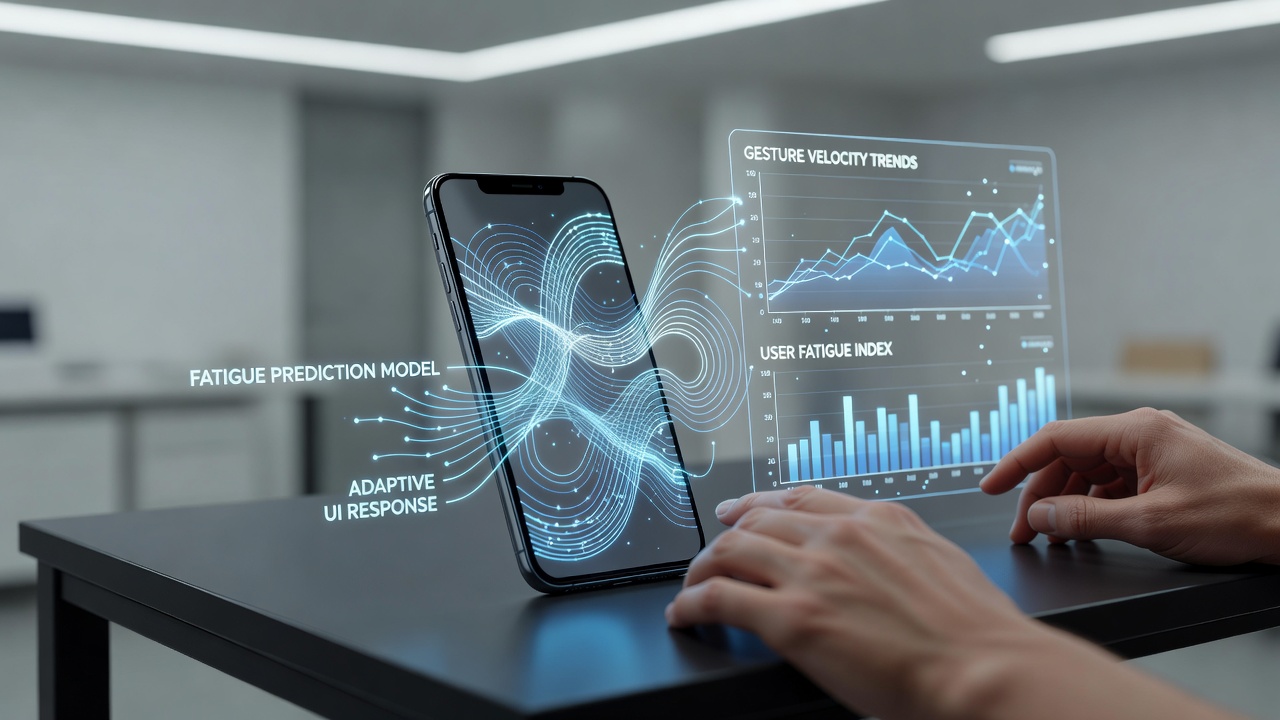
How Pattern Recognition in Touch Gestures Predicts and Adapts to User Fatigue During Extended Mobile Strategy Sessions
Developers have turned to pattern recognition systems that monitor touch gestures on smartphones and tablets to identify signs of user fatigue during long strategy sessions, and these tools adjust gameplay elements accordingly while sessions continue. Touch inputs such as swipe velocity, tap pressure, and gesture accuracy shift in measurable ways as players tire, and algorithms track these changes through continuous data collection from device sensors.
Core Components of Gesture Pattern Analysis
Pattern recognition relies on machine learning models trained on datasets that capture how finger movements evolve over time, and researchers have documented that initial swift swipes often slow by 20 to 30 percent after 45 minutes of play according to studies conducted at the University of Melbourne. Pressure sensitivity decreases while error rates in precise selections rise, and these metrics combine to form fatigue signatures that software detects without requiring additional hardware. Strategy games benefit particularly because they demand repeated planning actions like unit deployment or map panning, which generate rich streams of touch data for analysis.
Detection Mechanisms in Practice
Systems process gesture sequences in real time by comparing current input patterns against baseline profiles established at the start of each session, and deviations trigger alerts within the application layer. For instance, when hesitation intervals between taps exceed predefined thresholds, the model flags potential cognitive load increases associated with fatigue. Data from accelerometer fusion and capacitive touch layers feed into on-device processing that avoids cloud latency, and this setup allows adjustments to occur within the same turn or round of play. Observers note that integration of these models has grown since early 2025 prototypes, with August 2026 seeing broader adoption across mid-range Android devices equipped with dedicated neural processing units.
Adaptation Techniques Employed by Games
Once fatigue indicators appear, applications respond through several channels that maintain engagement without forcing session termination, and examples include automatic enlargement of selectable areas to compensate for reduced accuracy or simplified command menus that reduce cognitive demand. Some titles introduce optional pacing breaks by highlighting resource accumulation phases that require less direct input, while others lower the complexity of AI opponent behavior temporarily. These changes operate on sliding scales rather than binary switches, and developers calibrate them based on aggregated user data from prior sessions to avoid disrupting flow. Research indicates that such adaptations can extend comfortable play windows by 15 to 25 minutes before users voluntarily pause.
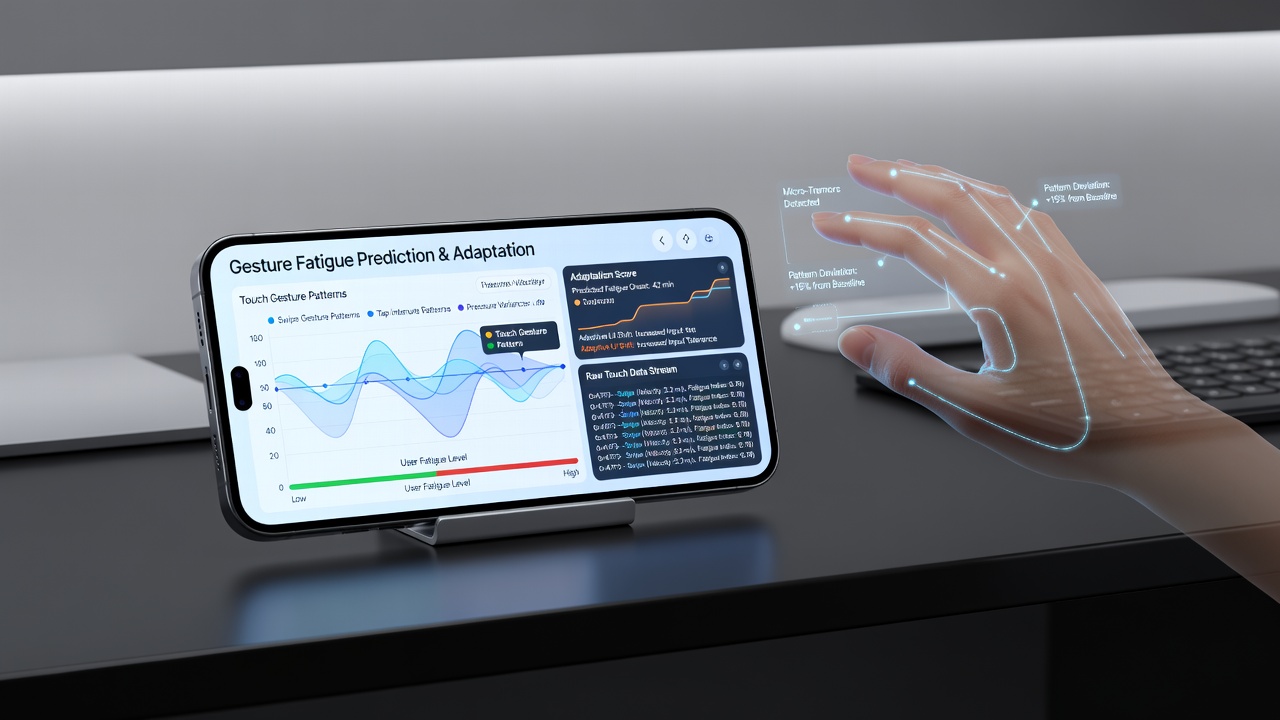
One notable implementation appears in certain roguelike strategy titles where gesture smoothing algorithms activate to stabilize erratic swipes, and this smoothing draws directly from pattern recognition outputs to predict intended targets. External validation comes from reports published by the National Institute of Information and Communications Technology in Japan, which examined similar sensor fusion approaches in portable entertainment contexts. The same models also feed into session summary analytics that suggest optimal break timings for future play, creating a feedback loop that refines predictions across multiple sessions.
Technical Implementation Across Platforms
Cross-platform frameworks now embed gesture analysis libraries that function consistently on both iOS and Android ecosystems, and these libraries leverage edge computing to keep all processing local for privacy compliance. Developers integrate the systems during the design phase by defining fatigue thresholds specific to each game's control scheme, and testing phases involve controlled sessions where participants perform extended strategy tasks under observation. Figures from industry reports reveal that battery impact remains minimal because the models run on specialized chips rather than main processors, and this efficiency supports continuous monitoring throughout hours-long campaigns. What's interesting is how the same underlying data also informs broader accessibility features, such as gesture alternatives for users with motor variability unrelated to fatigue.
Evidence from Deployed Systems
Multiple titles released or updated in 2026 incorporate these features, and analytics dashboards shared by studios show measurable reductions in abrupt session endings attributed to frustration. According to findings from the Swinburne University of Technology in Australia, pattern recognition accuracy reaches above 85 percent when combining at least four gesture metrics including velocity variance and dwell time. Players continue strategy campaigns longer when adaptations activate early, and the systems avoid over-correction by requiring confirmation thresholds across consecutive inputs before applying changes. This measured approach preserves competitive integrity in multiplayer modes while still addressing single-player endurance concerns.
Conclusion
Pattern recognition applied to touch gestures provides a practical method for detecting and responding to fatigue in extended mobile strategy sessions, and ongoing refinements continue to expand its precision and responsiveness. As device hardware advances and datasets grow, these systems integrate more deeply into game design pipelines while remaining grounded in observable input data. The result supports sustained player participation through targeted, real-time modifications that align with individual session dynamics.