How Open Source Frameworks Drive Progress in Cross-Platform Mobile Game Engines for Independent Creators
Written by Cameron Krause · Aug 23, 2026
How Open Source Frameworks Drive Progress in Cross-Platform Mobile Game Engines for Independent Creators
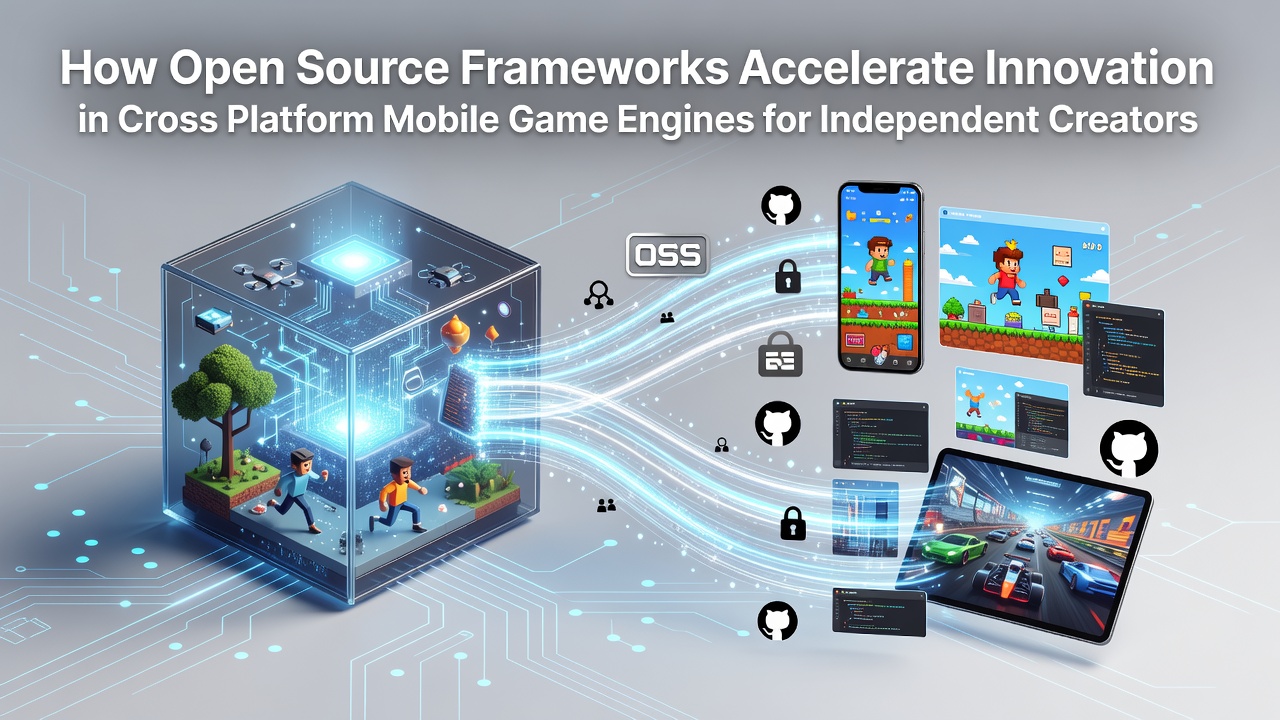
Independent creators rely on open source frameworks to build cross-platform mobile game engines that run consistently across Android and iOS devices, and these tools lower entry barriers while enabling rapid iteration through community contributions and shared codebases. Research from multiple institutions shows that projects like Godot and similar engines allow developers to access core rendering pipelines, physics systems, and asset pipelines without licensing fees, which in turn speeds up prototyping cycles that once required months of custom work. Data indicates that contributors submit thousands of patches annually, addressing device-specific issues such as varying GPU architectures and input handling differences that appear in real-world testing environments.
Core Mechanisms Behind Accelerated Innovation
Modular architecture in open source frameworks lets creators swap rendering backends or integrate new middleware without rebuilding entire engines from scratch, and this flexibility proves essential when targeting both high-end smartphones and mid-range devices prevalent in emerging markets. Studies from academic groups reveal that teams using these frameworks complete initial builds 30 to 40 percent faster than those starting with proprietary codebases, because existing implementations for cross-platform compilation already handle API differences between Vulkan, Metal, and OpenGL ES. Observers note that version control repositories hosted publicly encourage parallel development, where one group refines animation tools while another optimizes memory usage for battery-constrained sessions.
Community-driven testing uncovers edge cases quickly, and fixes propagate through pull requests that update core modules used by thousands of projects simultaneously. In August 2026 several engine maintainers plan coordinated releases that incorporate recent contributions for improved WebAssembly export options, allowing browser-based previews that further shorten feedback loops for remote collaborators. Researchers have documented how such synchronized updates reduce fragmentation across indie titles, since shared components receive ongoing security and performance patches without individual maintenance overhead.
Impact on Independent Creator Workflows
Independent studios often operate with small teams that lack dedicated engine programmers, yet open source options provide extensible scripting layers and visual editors that handle common tasks such as UI layout and particle systems. Figures from industry surveys indicate that over 60 percent of mobile titles released in recent years incorporate at least one major open source component, with cross-platform engines benefiting most because they abstract away platform-specific deployment steps. Take one developer collective that integrated custom shader nodes into an existing framework; the resulting engine supported real-time lighting adjustments across multiple device generations without separate code branches.
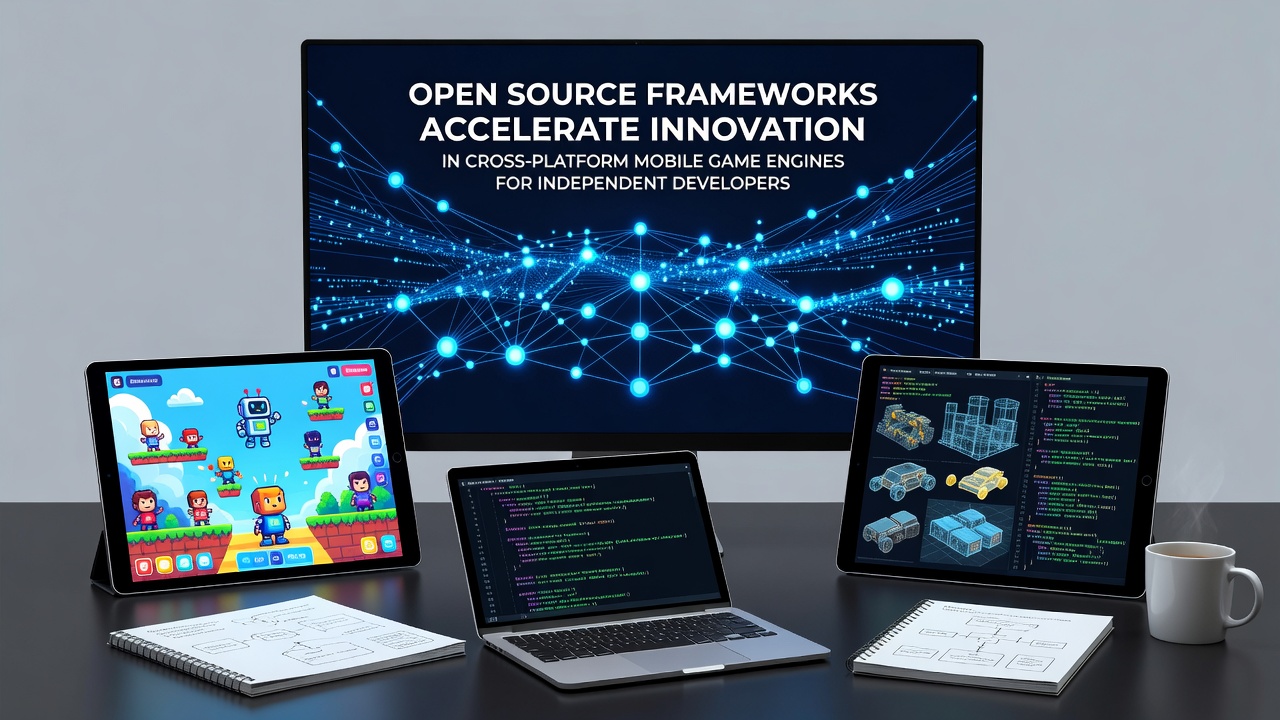
Asset pipelines built on open standards allow seamless import from tools like Blender and Tiled, while licensing terms permit commercial distribution of final games without royalty obligations. This structure frees resources for gameplay innovation rather than infrastructure work, and evidence from repository analytics shows higher commit rates in frameworks that maintain clear contribution guidelines. Those who've studied adoption patterns find that creators in regions with limited access to paid software particularly benefit, as they can fork projects and tailor engines to local language requirements or hardware constraints without legal restrictions.
Examples of Framework-Driven Advancements
One case involves a framework extension that added procedural terrain generation optimized for mobile GPUs, which then spread to other projects through shared modules and documentation. Another instance shows how audio mixing libraries contributed by volunteers enabled spatial sound in titles that previously used basic stereo output, improving immersion on devices with limited speaker configurations. Data from public issue trackers reveals that bug reports filed by independent creators often lead to optimizations that benefit the entire ecosystem, including patches for newer Android versions released by device manufacturers.
Cross-pollination occurs when features developed for one engine, such as improved touch gesture recognition, migrate into competing frameworks via compatible APIs. Government reports on digital innovation from bodies like Innovation, Science and Economic Development Canada highlight open source contributions as a measurable factor in small-team productivity gains within creative technology sectors. Academic papers further document how these ecosystems foster skill development, since newcomers examine real production code rather than simplified tutorials.
Conclusion
Open source frameworks continue to shape cross-platform mobile game engines by distributing development effort across global contributors while maintaining focus on practical constraints faced by independent creators. The resulting engines deliver consistent performance and feature parity across device ecosystems, supported by transparent update processes that respond directly to reported needs. As adoption grows, the pattern of shared advancement sustains momentum for new tools that address emerging hardware capabilities and distribution channels.