How Fingerprint Sensors Secure Multiplayer Trading in Niche Mobile Collectible Games
Written by Iris Albrecht · Aug 2, 2026
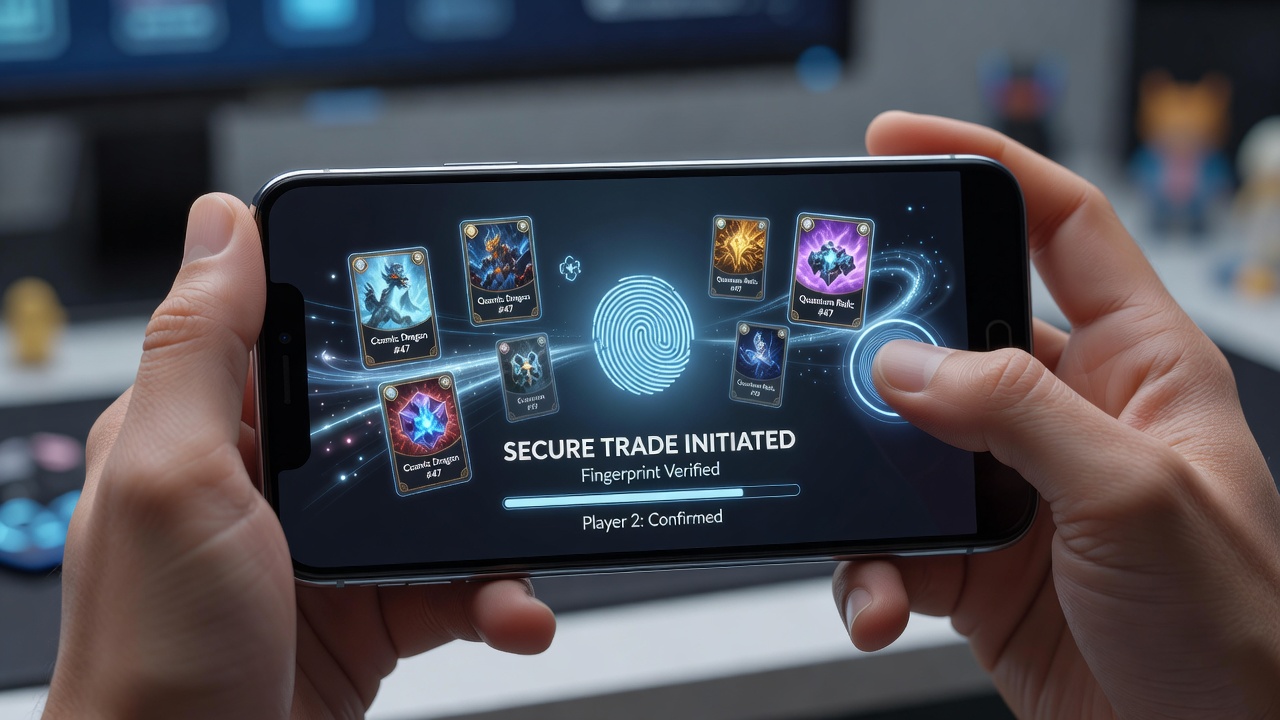
How Fingerprint Sensors Secure Multiplayer Trading in Niche Mobile Collectible Games
Mobile collectible games with multiplayer trading features have grown steadily since developers began integrating device hardware for authentication, and fingerprint sensors now play a direct role in verifying trades between players. These sensors, present on most mid-range and flagship smartphones by 2026, allow games to confirm user identity during item exchanges without requiring passwords or additional steps. Data from industry reports shows that such biometric checks reduce unauthorized access incidents in trading systems by confirming the physical presence of the account holder at the moment of transaction.
Integration of Fingerprint Hardware in Game Mechanics
Developers access fingerprint sensors through standard mobile operating system APIs, which handle enrollment and matching processes on the device itself. When a player initiates a trade in a collectible title, the game prompts a sensor scan that must match the enrolled biometric data before the exchange proceeds. This approach works in niche genres such as virtual card collections, digital miniature trading, and limited-edition sticker apps where items carry real or perceived value among small player communities. Observers note that the method keeps trading sessions contained within the app environment while leveraging hardware already present on the phone.
By August 2026, several collectible titles had updated their trading flows to include optional fingerprint confirmation alongside traditional PIN methods. The change addressed patterns of account sharing that previously led to disputed trades, since the sensor requires direct contact from the verified owner. Research indicates that games using this layer see higher completion rates for peer-to-peer exchanges because players complete the biometric step in seconds rather than navigating multiple menus.
Security Benefits for Multiplayer Exchanges
Fingerprint verification adds a possession factor to trading mechanics that software-only methods cannot replicate. When two players agree on an item swap, the system records the biometric confirmation timestamp and device identifier, creating an audit trail that game servers can reference if disputes arise. Industry organizations tracking mobile security report that titles incorporating device biometrics experience fewer cases of trade reversal requests compared with those relying solely on account credentials.
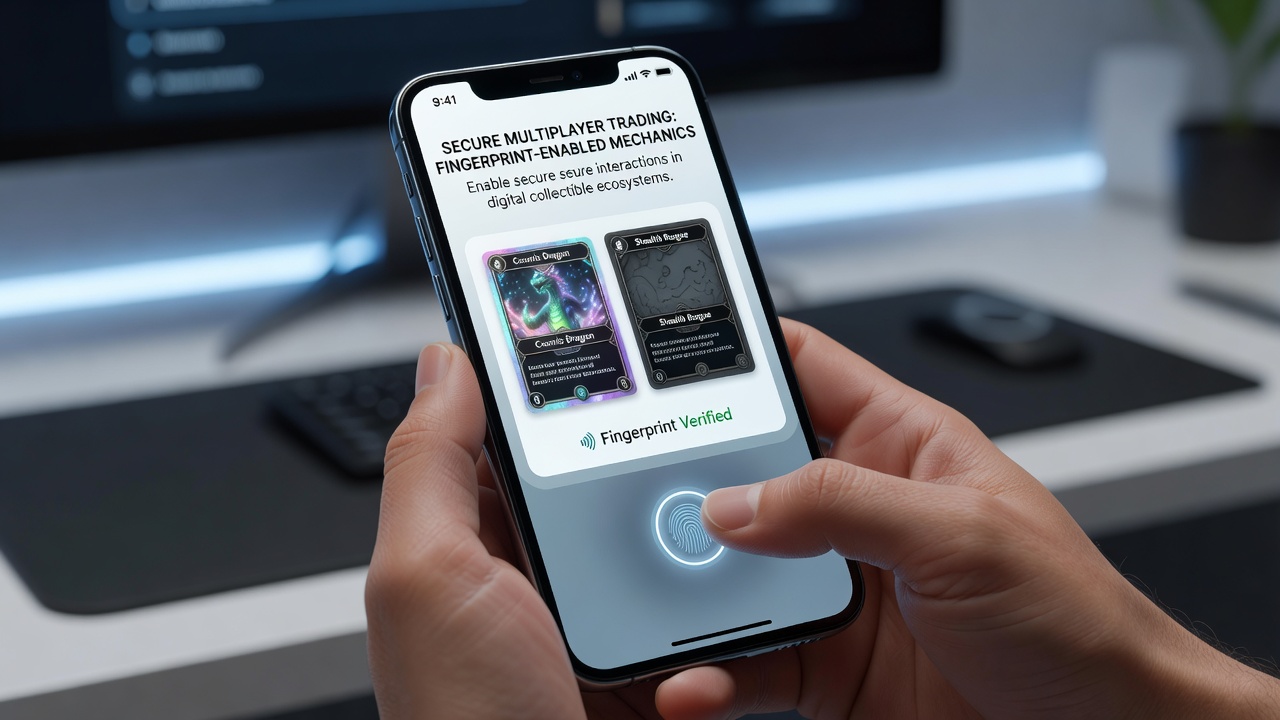
Smaller development studios producing niche collectible experiences have adopted the same sensor access patterns used in banking and payment apps. This consistency means players already familiar with fingerprint use on their devices encounter no new learning curve. Those who have studied adoption rates across regions find that markets with high smartphone penetration show faster uptake of biometric trading options, particularly where players trade rare virtual assets frequently.
Technical Implementation Across Platforms
Android and iOS both expose fingerprint capabilities through unified biometric frameworks that games call during trade confirmation sequences. Developers register a callback that triggers the sensor prompt, then receive a success or failure result that gates the next step in the trade protocol. The entire process occurs locally on the device, with only the outcome transmitted to game servers, which limits exposure of raw biometric data. Figures from device manufacturers reveal that sensor accuracy rates exceed 99 percent under normal conditions, supporting reliable use during extended multiplayer sessions.
Niche collectible games often operate on smaller servers than mainstream titles, making lightweight authentication methods especially practical. Fingerprint checks add minimal overhead while satisfying player expectations for security when exchanging items that took hours or days to acquire. Experts have observed that studios update their trade logic quarterly to maintain compatibility with evolving sensor hardware and operating system changes.
Player Adoption and Usage Patterns
Surveys conducted by research institutions show that players in collectible communities enable biometric trading options at rates above 70 percent once the feature appears in an update. Many report preferring the speed of a fingerprint scan over typing codes during live trading events. Those monitoring community forums note that discussions frequently center on which devices deliver the most consistent sensor performance rather than on the security concept itself.
Cross-platform titles must account for devices lacking fingerprint hardware by falling back to other methods, yet the majority of active player bases now use phones equipped with the sensors. This hardware reality allows developers to design trading flows around biometric confirmation as a default choice while keeping alternatives available. Data indicates that retention in trading-focused game modes improves when players perceive the exchange process as both quick and protected.
Conclusion
Fingerprint sensors continue to expand their role in mobile gaming by supporting secure, device-native confirmation for multiplayer trades in collectible titles. The combination of existing phone hardware with targeted API integration gives developers a practical tool for reducing fraud without complicating the player experience. As more niche games adopt the pattern, trading systems gain reliability that benefits both studios and their communities.