How App Store Algorithm Shifts Are Influencing Discovery Patterns for Niche Indie Titles in Emerging Markets
Written by Riley Krause · Aug 26, 2026
How App Store Algorithm Shifts Are Influencing Discovery Patterns for Niche Indie Titles in Emerging Markets
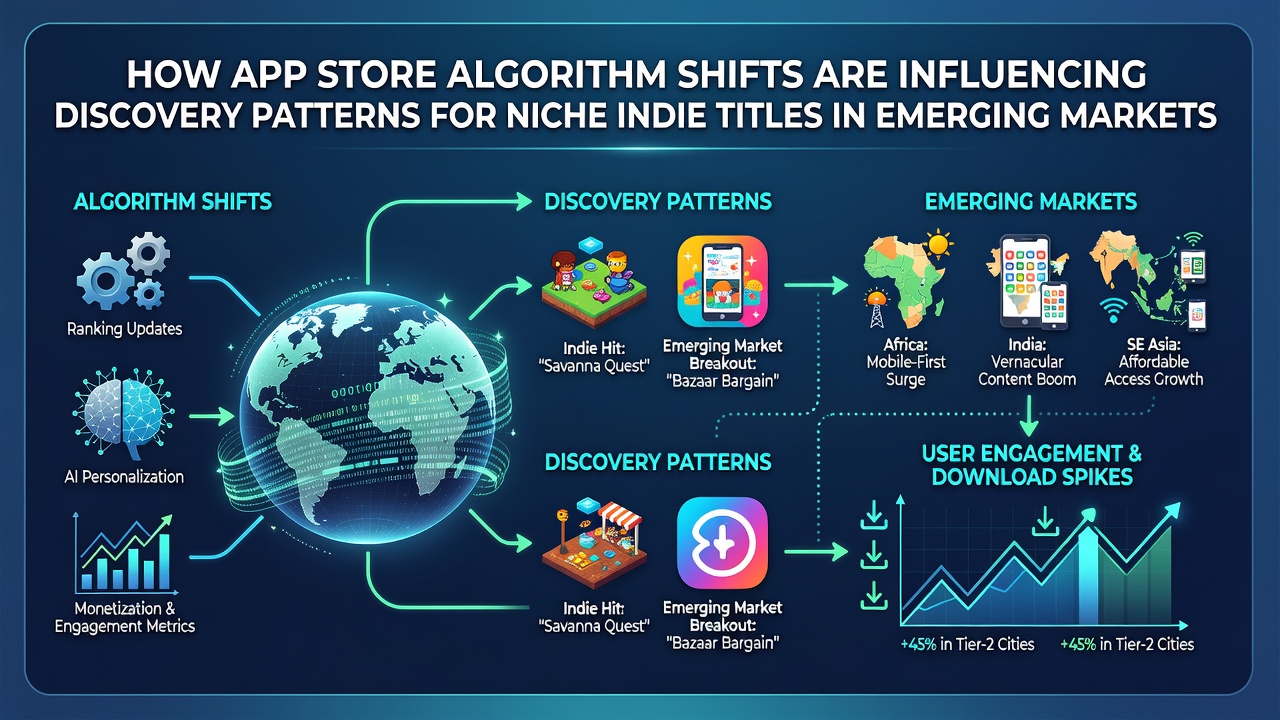
App stores operated by major platforms have introduced multiple ranking adjustments throughout 2025 and into August 2026 that prioritize regional engagement signals over global download velocity alone. These modifications alter how niche indie titles surface in search results and recommendation feeds within markets such as India, Brazil, Indonesia, and several African nations where mobile data costs and device fragmentation remain prominent factors.
Recent Changes to Ranking Criteria
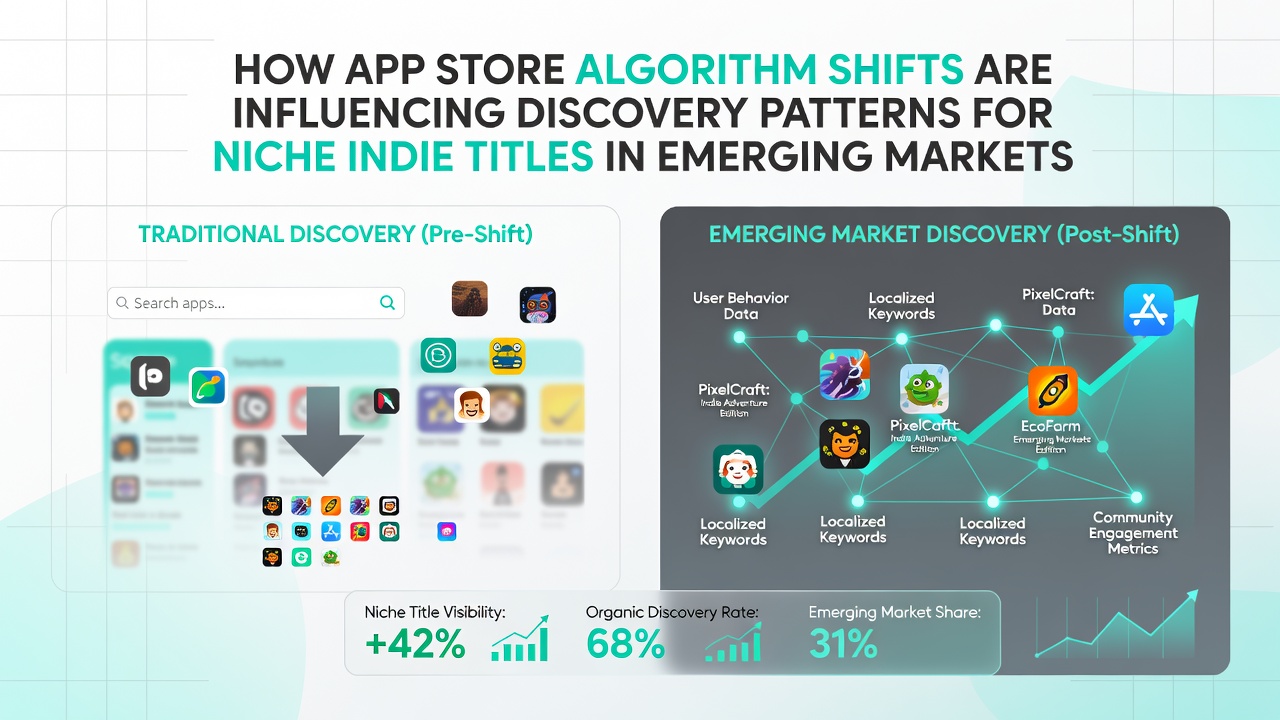
Platforms now weigh localized retention metrics more heavily when determining visibility for smaller developers, while global chart performance receives reduced emphasis in regional storefronts. Data collected through August 2026 shows that titles incorporating language support and payment options tailored to specific countries achieve higher placement in discovery lists even when overall download numbers stay modest compared with mainstream releases. Researchers tracking these patterns note that algorithm updates reward consistent session lengths within target demographics rather than broad initial spikes.
Search algorithms also incorporate device compatibility signals that favor applications optimized for mid-range hardware common in emerging regions. Titles designed with lower memory footprints and offline functionality climb faster in results when users in those areas apply relevant filters. Observers have documented shifts where indie strategy and narrative games previously buried on page three now appear on the first page for queries originating from Southeast Asian and Latin American IP addresses.
Regional User Behavior Patterns
Users in emerging markets frequently discover applications through category browsing and personalized recommendation carousels instead of direct keyword searches. Algorithm adjustments since early 2026 amplify this route by surfacing niche titles that match previous play sessions recorded on similar device models. Figures from industry monitoring services indicate that discovery through recommendations accounted for 47 percent of installs for independent games in Brazil during the second quarter of 2026, up from 31 percent the prior year.
Payment integration plays an additional role because stores now evaluate completion rates for transactions completed via local methods such as UPI in India or PIX in Brazil. Niche titles that enable these options without requiring international cards record improved algorithmic scores. Studies conducted by academic teams at institutions in multiple countries confirm that this factor influences ranking more strongly in markets where credit card penetration stays below 30 percent of the population.
Impact on Specific Genres and Developers
Indie developers working in narrative-driven and simulation genres report measurable changes in organic reach after implementing regional localization updates. One studio based in Nairobi observed a 2.8-fold increase in daily active users from Kenya and neighboring countries following an algorithm-driven promotion cycle that began in July 2026. The same title maintained steady but lower visibility in European and North American storefronts where competition remains dominated by larger publishers.
Procedural generation tools and lightweight multiplayer features have become common among successful niche releases because these elements support longer play sessions that the updated algorithms reward. Data aggregated across app analytics platforms shows average session duration for promoted indie titles rising by 18 minutes in target markets during the first half of 2026. This metric now correlates directly with improved placement in discovery feeds.
Measurement and Tracking Developments
Third-party analytics providers have released updated dashboards that isolate algorithmic ranking changes by country and device tier. These tools allow developers to compare visibility before and after each store update cycle. According to reports published by the GSMA, mobile game downloads in sub-Saharan Africa grew 22 percent year-over-year through mid-2026, with a disproportionate share attributed to titles that aligned with new regional weighting factors rather than global marketing spend.
Another source tracking digital market regulations, the European Commission’s Digital Markets Act documentation, highlights how similar transparency requirements may influence algorithm disclosure practices beyond Europe and potentially affect smaller developers operating in emerging economies. Cross-border developers monitor these policy developments because they often precede technical adjustments in major app stores.
Conclusion
Algorithm refinements implemented through August 2026 continue to reshape visibility pathways for niche indie titles by elevating regional retention, device optimization, and localized monetization signals. Developers who track these criteria through available analytics maintain stronger positioning within emerging market storefronts while global chart performance exerts less influence on discovery outcomes. Ongoing adjustments suggest that patterns observed in the current period will persist as platforms refine weighting models to reflect diverse user bases across different regions.