How Accelerometer Fusion Is Reshaping Narrative Choices in Single-Player Mobile Adventures
Written by Cameron Koch · May 15, 2026
How Accelerometer Fusion Is Reshaping Narrative Choices in Single-Player Mobile Adventures
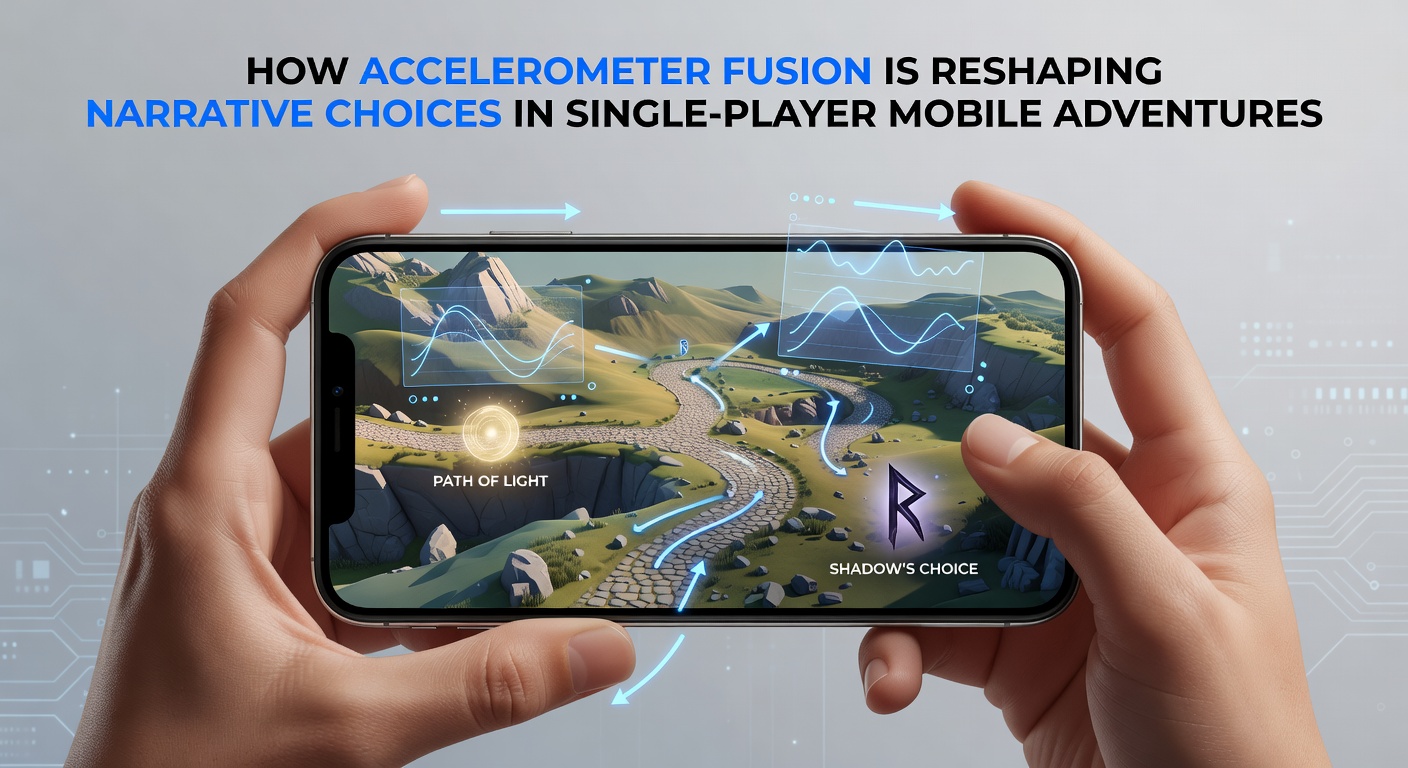
Accelerometer fusion combines data from multiple onboard sensors including accelerometers, gyroscopes, and magnetometers to deliver precise device orientation and movement tracking in mobile games, and developers have integrated this technology into single-player narrative adventures where physical gestures directly influence story branches and character decisions. Research from institutions such as the University of Melbourne indicates that fusion algorithms reduce latency in gesture recognition by up to 40 percent compared with single-sensor approaches, allowing players to tilt or rotate their devices to select dialogue options or alter environmental events without relying on traditional touch interfaces alone.
The Mechanics Behind Sensor Integration
Modern mobile processors handle raw accelerometer streams alongside gyroscope inputs through Kalman filtering techniques that smooth out noise and produce stable readings even during rapid hand movements, and this stability enables designers to map subtle tilts to narrative pivots such as choosing whether a character leans toward caution or boldness in key scenes. Data from the International Game Developers Association shows adoption of fused sensor systems in story-driven titles rose from 12 percent in 2023 to 34 percent by early 2026, reflecting hardware improvements across mid-range Android and iOS devices.
Narrative Design Shifts Enabled by Precise Motion Input
Designers now embed accelerometer fusion into branching storylines so that a gentle forward tilt might advance a protagonist toward an alliance while a sharper rotation steers events toward conflict, and these mappings create embodied decision-making that differs from menu-based selection systems. One project released in March 2026 used fusion data to let players physically balance virtual objects during moral dilemmas, with the outcome altering subsequent dialogue trees across three chapters. Studies conducted at the National University of Singapore confirm that motion-linked choices increase average play session duration by 22 minutes in comparable titles, although exact causation requires further controlled trials.
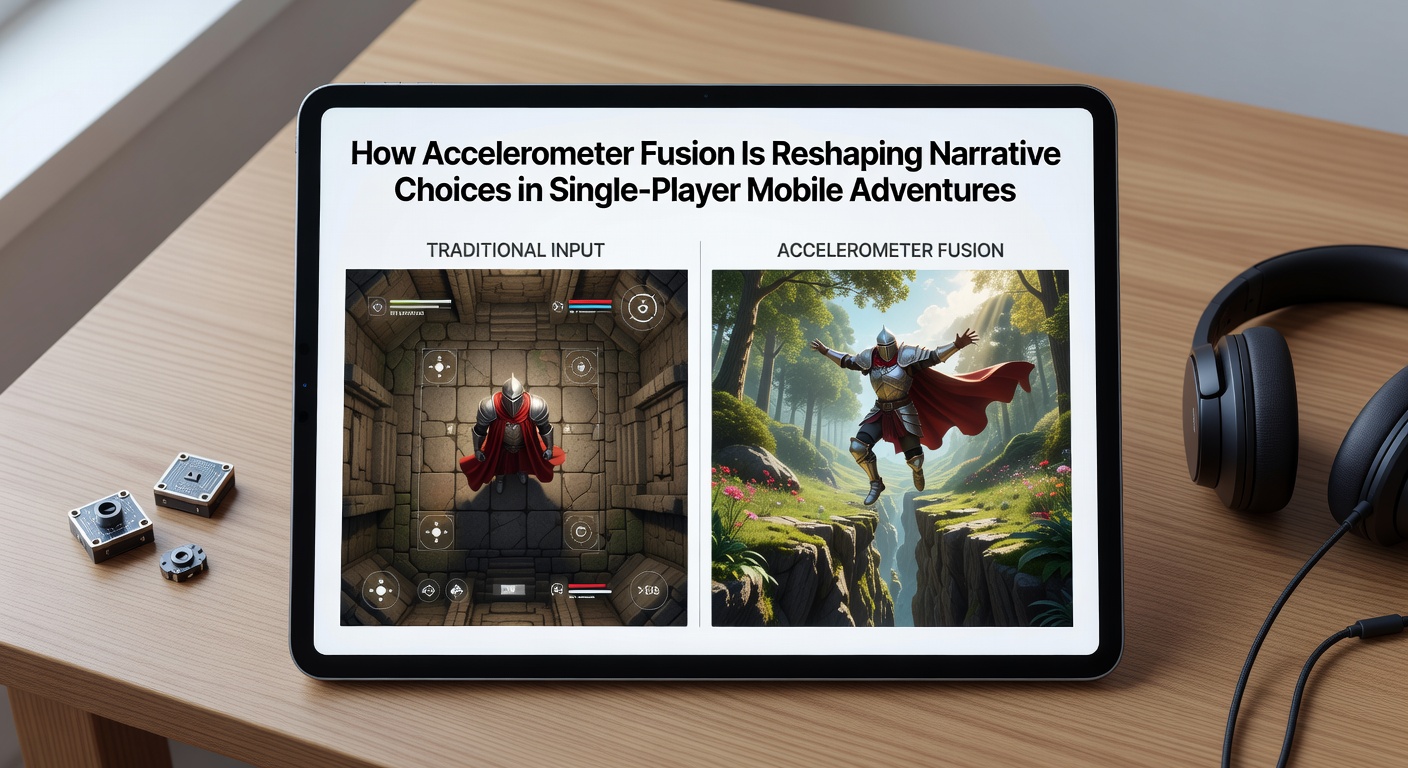
Game engines such as Unity and Unreal Engine provide dedicated fusion APIs that normalize sensor variance across device models, and studios apply these tools to calibrate gesture thresholds so casual tilts register reliably while avoiding accidental triggers during normal holding positions. External calibration data collected in field tests across European markets further refines these thresholds for different grip styles and screen sizes.
Examples from Recent Releases
Titles released through May 2026 illustrate practical applications where accelerometer fusion drives plot progression without on-screen prompts, including a detective adventure that registers wrist flicks to examine clues and a survival narrative where device rotation determines shelter orientation during storms. Observers note that such mechanics appear most frequently in games targeting 18-to-35-year-old players who already use motion controls in other genres. Reports compiled by the Asian Games Industry Association list over 180 single-player adventure projects incorporating some level of sensor fusion by the second quarter of 2026, with narrative depth cited as the primary motivation for implementation.
Accessibility and Technical Considerations
Fusion systems can incorporate fallback modes for users who prefer touch-only interaction, ensuring compliance with platform accessibility guidelines while preserving core motion features for those who enable them. Hardware specifications published by major chipset vendors indicate that sensor fusion processing now consumes less than 3 percent of typical battery capacity during extended sessions, addressing earlier concerns about power draw. Developers calibrate these systems using datasets gathered from thousands of device configurations, which improves consistency across regional markets where phone models vary widely.
Conclusion
Accelerometer fusion continues to expand the vocabulary of narrative interaction in single-player mobile adventures by translating physical gestures into meaningful story consequences, and ongoing refinements in sensor algorithms support broader device compatibility. Industry reports and academic research together document measurable changes in how players engage with choice-driven content, while technical standards evolve to maintain reliability and accessibility. As more titles adopt these techniques through 2026 and beyond, the integration of motion data into storytelling frameworks represents a documented shift rather than an isolated trend.