Device Cameras Fuel Hands-Free Gesture Controls for Puzzle Reshaping in Casual Mobile Games
Written by Cameron Koch · Jun 3, 2026
Device Cameras Fuel Hands-Free Gesture Controls for Puzzle Reshaping in Casual Mobile Games
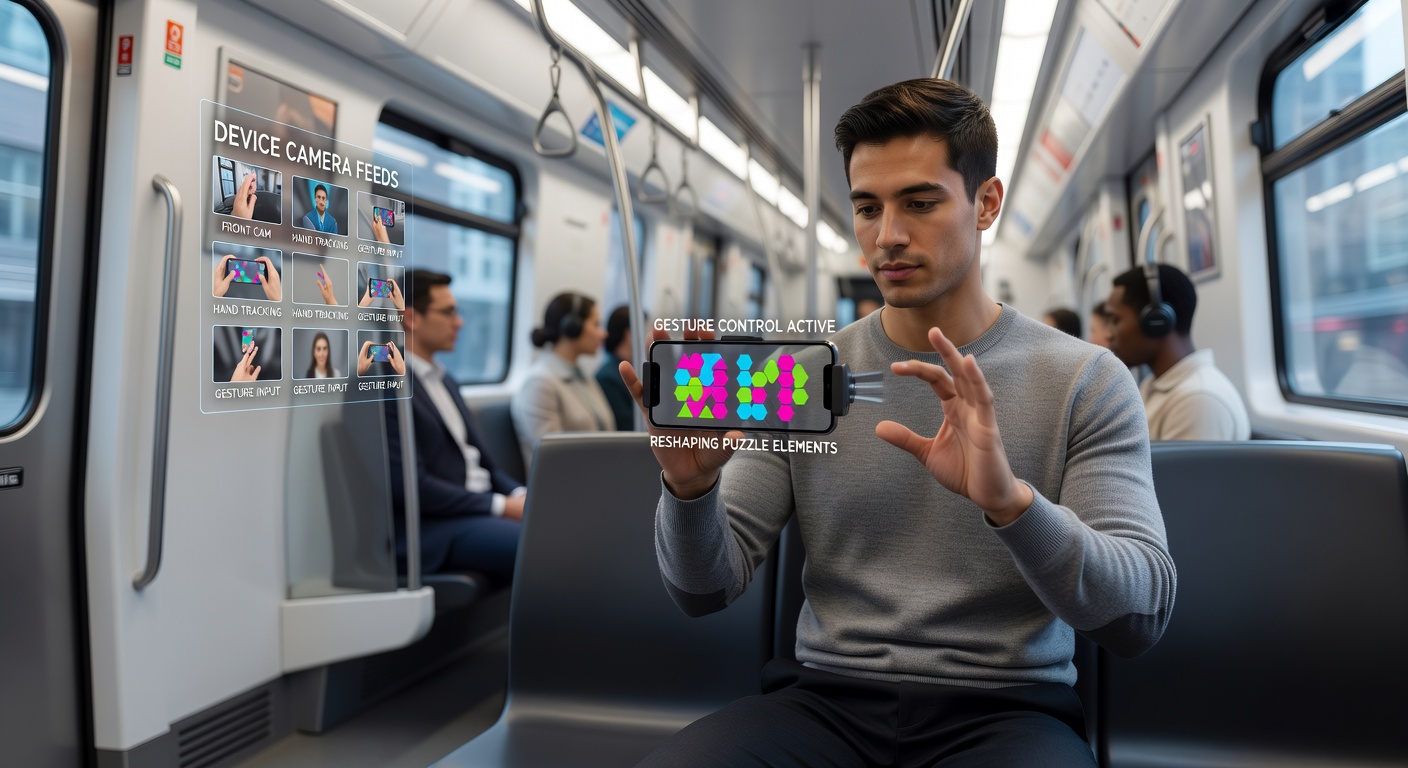
Device camera feeds now support hands-free gesture controls that allow users to reshape puzzle elements directly within casual mobile titles, and developers have integrated these systems to function smoothly during daily commutes where players often hold devices one-handed or navigate crowded spaces. Research indicates that computer vision algorithms process real-time video from front-facing cameras to detect finger positions, palm orientations, and subtle wrist movements without requiring physical screen taps or button presses, while the technology relies on lightweight machine learning models optimized for mobile processors to interpret gestures like pinching, swiping through air, or rotating motions that correspond to in-game actions such as stretching blocks, rotating shapes, or merging pieces in puzzle layouts.
Technical Foundations Behind Camera-Driven Gestures
Developers combine depth estimation techniques with 2D tracking to create responsive controls that adapt to varying lighting conditions common on buses, trains, and sidewalks, and data from industry reports shows adoption rates climbing as smartphone hardware improves camera resolution and processing speed. Observers note that frameworks built on open-source libraries enable precise mapping of hand landmarks to game mechanics, whereas earlier iterations struggled with occlusion from fingers or background clutter, yet recent advances in neural network pruning have reduced latency to under 50 milliseconds in many implementations. Players benefit when these systems recognize contextual gestures that reshape elements like expanding a path in a match-three variant or folding segments in a spatial assembly challenge, and the approach eliminates the need for constant screen contact that can fatigue thumbs during extended sessions.
Integration in Casual Puzzle Experiences on the Move
Casual mobile titles incorporate these camera-based controls to maintain engagement across short commute windows, and studies from academic institutions reveal that gesture recognition accuracy exceeds 85 percent in controlled tests involving diverse hand sizes and movement speeds. Game designers map intuitive actions such as spreading fingers to enlarge puzzle tiles or circling motions to rotate obstacles, while the software filters out unintended movements like phone sway from walking or vehicle motion through stabilization algorithms that cross-reference accelerometer data. One case involved developers testing prototypes on public transit routes where users reshaped falling blocks mid-air to clear levels, and figures from mobile analytics platforms confirm higher retention when controls feel natural rather than requiring learned sequences.
What's interesting is how these features align with location data to pause or simplify inputs during detected high-motion periods like subway stops, although core functionality remains consistent across environments. External partnerships with hardware manufacturers have standardized camera APIs that support lower power draw, allowing sessions to last through typical 30-minute commutes without draining batteries excessively.
Current Developments and Usage Patterns in Mid-2026
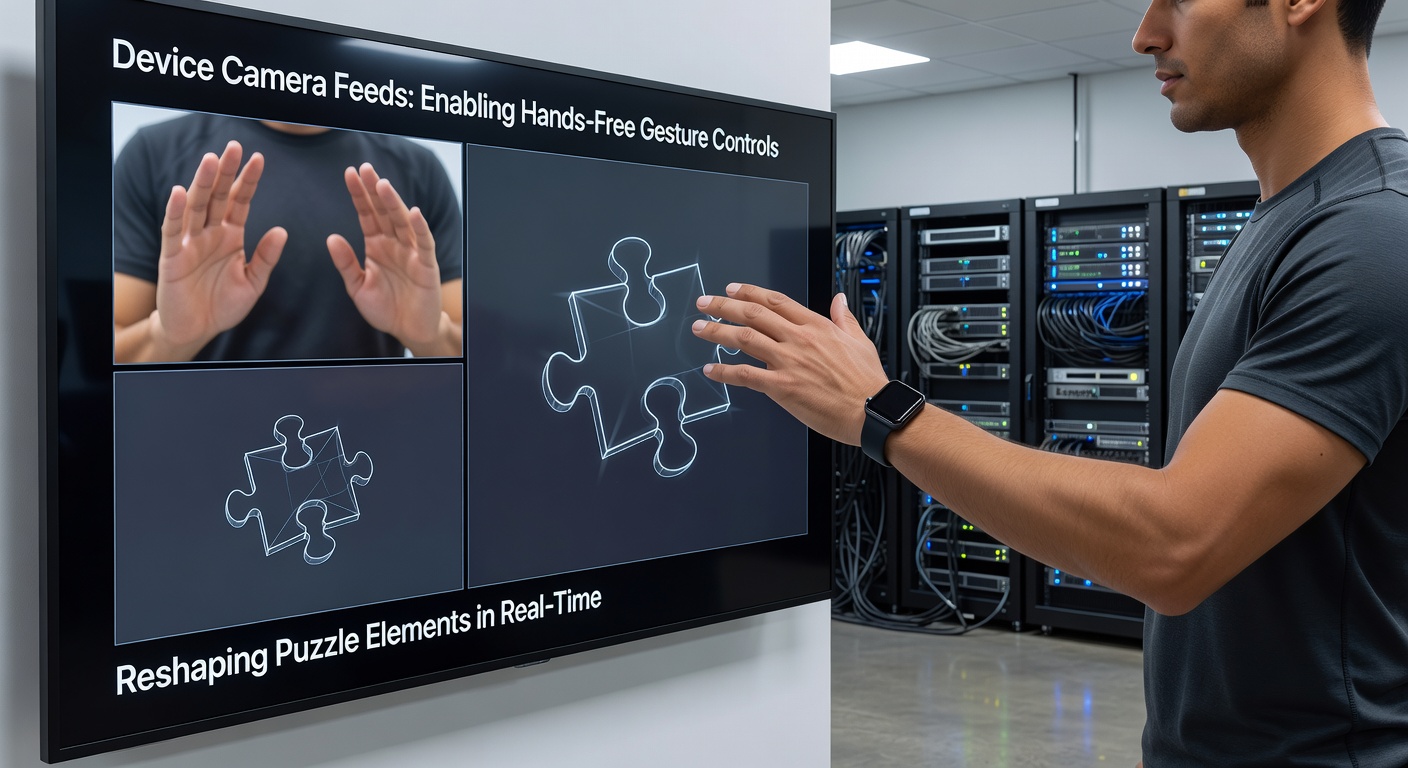
By June 2026, multiple studios had rolled out updates that layered gesture controls onto established casual puzzle libraries, and reports from the Interactive Games and Entertainment Association in Australia highlight a 40 percent increase in hands-free session starts among commuters in urban test markets. These implementations often include calibration prompts that adjust sensitivity based on individual hand profiles captured during initial setup, whereas fallback options revert to touch if camera access faces restrictions in certain regions. Researchers at Canadian universities have documented how such systems promote accessibility for players with motor limitations by translating broad gestures into precise puzzle manipulations, and the data shows reduced error rates when combined with visual feedback overlays that preview shape changes before confirmation.
Turns out the technology draws from broader computer vision progress in areas like augmented interfaces, yet it stays confined to 2D puzzle reshaping rather than full 3D environments in most casual offerings. Developers test extensively against real-world variables including partial hand visibility through pockets or varying skin tones to ensure inclusive performance across user groups.
Broader Impacts on Mobile Gaming Accessibility
Industry organizations track how gesture integration influences play patterns, with evidence suggesting commuters favor titles that support mixed input methods allowing seamless switches between camera gestures and minimal taps when needed. The ball's in developers' court to refine privacy safeguards that process video locally without storing footage, and guidelines from bodies like the European Games Developer Federation emphasize transparent data handling in these features. Players often discover that reshaping elements through air gestures adds a layer of immersion during repetitive commutes, while maintaining focus on surroundings through optional audio cues that confirm actions without visual distraction.
Conclusion
Device camera feeds continue to expand possibilities for hands-free interaction in casual mobile puzzles, and ongoing refinements point toward wider deployment as hardware capabilities advance further. Those who have examined the implementations note consistent improvements in recognition reliability alongside growing library support, creating options for reshape mechanics that fit naturally into everyday travel routines without additional peripherals or complex setups.