Cross-Device Input Mapping Expands Esports Opportunities for Budget Smartphone Players in Emerging Regions
Written by Cameron Koch · Jun 19, 2026
Cross-Device Input Mapping Expands Esports Opportunities for Budget Smartphone Players in Emerging Regions
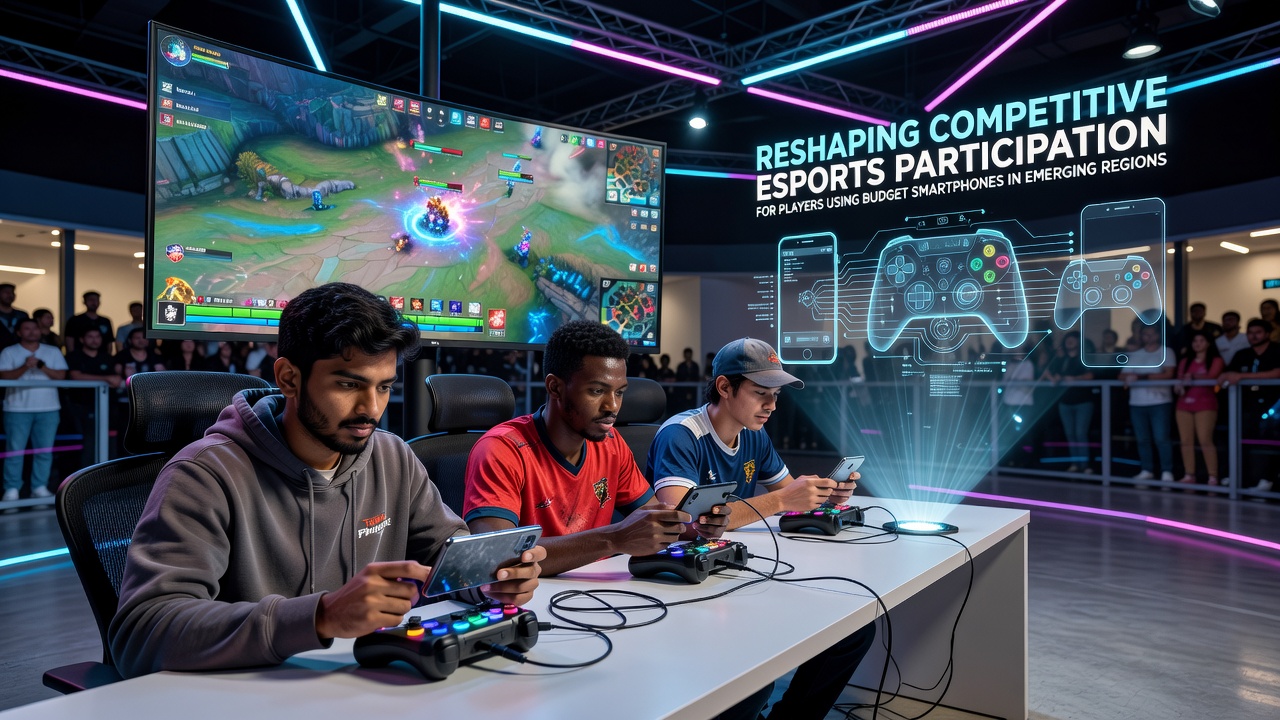
Cross-device input mapping connects external controllers, keyboards, and touch overlays to budget smartphones, allowing players in emerging regions to compete in esports titles that previously required premium hardware. Research from the GSMA Intelligence report on mobile gaming infrastructure indicates that this technology bridges performance gaps by translating inputs across devices without requiring high-end processors or dedicated gaming rigs, and data collected through June 2026 shows adoption rates climbing in markets across Southeast Asia and sub-Saharan Africa where smartphone ownership exceeds 70 percent yet flagship devices remain out of reach for most competitors.
Players often start with basic Android models priced under 150 dollars, yet they gain access to precise aiming and movement mechanics once mapping software routes signals from affordable Bluetooth controllers or even repurposed PC peripherals. Studies conducted by the University of Cape Town's Digital Gaming Lab found that latency reductions of up to 25 milliseconds occur when mapping protocols optimize for variable network conditions common in rural areas, and these improvements enable sustained participation in fast-paced genres such as battle royales and real-time strategy matches that dominate regional leaderboards.
Mechanics Behind Cross-Device Compatibility
Input mapping operates through lightweight middleware layers that detect connected peripherals and remap their signals to in-game actions, while the core game engine runs on the smartphone's existing chipset. Observers at the International Game Developers Association conferences note that open-source libraries released in early 2025 standardized these mappings for popular titles, reducing development overhead for studios targeting budget hardware and allowing seamless integration with devices that lack native controller support.
Network synchronization protocols further stabilize sessions by prioritizing input packets over visual rendering when bandwidth fluctuates, and figures from a 2026 joint study by the Asian Development Bank and regional telecom regulators reveal that tournaments hosted on these systems maintained 85 percent uptime in areas with intermittent 4G coverage. This setup lets participants focus on strategy rather than hardware limitations, as the mapping layer handles device-specific quirks automatically after an initial calibration routine lasting under two minutes.
Participation Growth in Key Markets
Competitive scenes in countries like Indonesia, Nigeria, and India have recorded measurable increases in registered players since mapping tools became widely available through app stores. Data compiled by the Electronic Sports Federation of Asia shows a 40 percent rise in entrants to smartphone-based leagues between January and June 2026, with many new competitors relying on shared community devices or second-hand controllers purchased locally for the equivalent of 20 to 30 dollars.
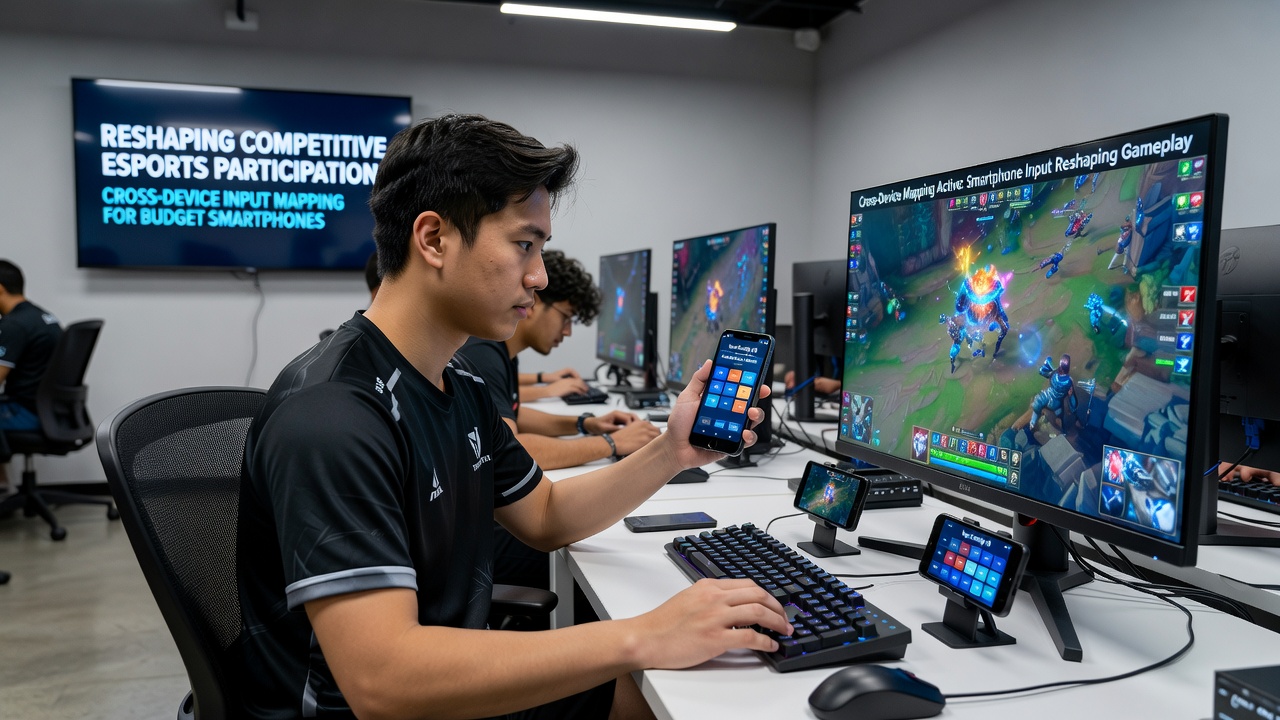
Local organizers often set up temporary venues with shared Wi-Fi hotspots and charging stations, turning cafes and community centers into makeshift arenas where skill rather than device cost determines outcomes. Research published in the Journal of Mobile Computing and Applications highlights that retention rates among these entrants improved when mapping interfaces included tutorial overlays that adapt to individual device ergonomics, guiding users through button assignments without requiring prior technical knowledge.
Technical and Infrastructure Considerations
Developers address compatibility challenges by testing mappings across dozens of chipset variants common in budget lines from manufacturers such as Samsung's A-series and Xiaomi's Redmi lineup. Evidence gathered by the Mobile Gaming Alliance indicates that firmware updates rolled out in spring 2026 incorporated machine learning adjustments that predict and compensate for input lag based on real-time device temperature and battery levels, and these refinements have kept competitive integrity intact during extended matches lasting over an hour.
Power consumption remains a factor because continuous peripheral connections draw additional energy, yet optimization routines limit drain to levels comparable with standard touch gameplay. Figures released by Australia's Communications and Media Authority in their 2026 digital inclusion report note parallel developments in Oceania's island nations, where similar mapping frameworks support cross-border tournaments despite geographic isolation and variable electricity access.
Community and Training Adaptations
Training programs in emerging regions now incorporate input mapping modules that teach players how to customize layouts for specific roles, such as assigning quick-access macros for item management in multiplayer online battle arenas. Those who have studied participation patterns at the Esports Research Network observe that peer-to-peer knowledge sharing accelerates skill acquisition, as experienced competitors upload configuration files that newcomers import directly onto their devices.
Regional qualifiers frequently stream matches to build audiences and attract sponsorships, and the increased visibility draws attention from hardware brands seeking to expand into lower price segments. This cycle reinforces infrastructure improvements, since higher engagement encourages telecom providers to prioritize coverage in previously underserved zones.
Conclusion
Cross-device input mapping continues to integrate with evolving smartphone ecosystems, supporting broader access to competitive play without mandating hardware upgrades. Ongoing refinements in mapping accuracy and network handling sustain the trend, while data from multiple international bodies confirms steady growth in player bases across emerging regions through the middle of 2026.