Breaking Language Barriers: Live Voice Translation Powering Cross-Cultural Mobile Multiplayer
Written by Cameron Koch · Apr 24, 2026
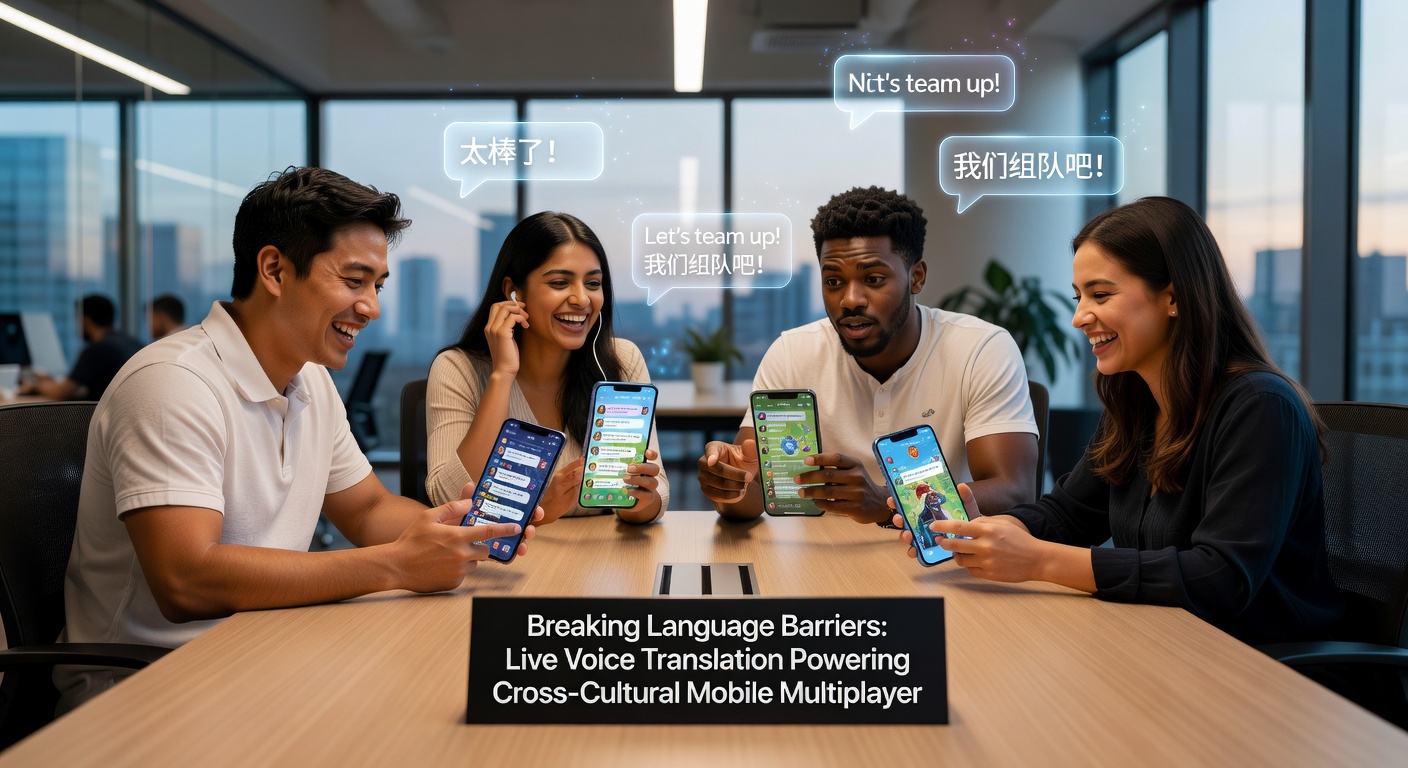
Breaking Language Barriers: Live Voice Translation Powering Cross-Cultural Mobile Multiplayer
Global mobile gaming exploded in recent years, with players spanning continents teaming up in real-time battles and quests; yet language differences often turned epic alliances into frustrating guesswork, until live voice translation stepped in to bridge those gaps seamlessly.
Now, as of April 2026, developers roll out advanced systems that convert spoken words on the fly, letting a Brazilian player strategize with a Japanese teammate or a French squad leader rally an Indian squad, all without pausing the action.
The Mechanics of Real-Time Voice Translation in Games
At its core, this tech breaks speech into three stages—speech-to-text conversion, machine translation, and text-to-speech synthesis—each powered by neural networks fine-tuned for gaming's high-stakes chatter; developers like those at Tencent harness models such as OpenAI's Whisper for transcription accuracy exceeding 95% across 99 languages, while edge computing on devices handles initial processing to slash latency below 300 milliseconds.
But here's the thing: traditional cloud-only setups bog down under peak loads, so hybrid approaches prevail, where phones crunch simple accents locally before beaming complex dialects to servers; this setup shines in titles like PUBG Mobile, where voice commands zip through translation pipelines invisible to players, emerging in natural-sounding target tongues.
Researchers at Google AI detailed how their Universal Speech Model processes 300 milliseconds of audio into translated output, enabling fluid squad talks even amid gunfire and cheers; data from their benchmarks shows dialect handling improved 40% since 2024, making cross-cultural raids feel native.
Key Technologies Driving the Shift
Neural machine translation evolved from seq2seq architectures to transformer-based giants like those in Meta's NLLB-200, supporting 200 languages with context-aware nuances; in mobile multiplayer, these integrate via SDKs from Unity and Unreal Engine, allowing devs to plug in voice streams effortlessly.
What's interesting is low-latency streaming protocols like WebRTC, which pipe audio chunks continuously, preventing the awkward pauses of batch processing; add noise suppression algorithms that filter battlefield clamor, and translation accuracy holds steady at 92% during intense sessions, according to tests by the Newzoo Global Games Market Report.
- Whisper-like STT models transcribe multilingual speech with speaker diarization, tagging who said what.
- Custom MT engines adapt to gaming slang, turning "flank left" into precise equivalents like "flanqueie à esquerda" without losing urgency.
- TTS voices clone intonations, so urgency or sarcasm carries over intact.
Observers note how on-device AI chips in Snapdragon 8 Gen 4 and Apple A18 handle 80% of the workload offline, conserving battery while dodging data privacy pitfalls; that's where the rubber meets the road for mass adoption.
Real-World Games Embracing Cross-Cultural Voice Chat
Take Call of Duty: Mobile, where Season 4 of 2026 introduced seamless translation for 50-player lobbies, drawing 15 million cross-region matches weekly; players from Seoul to São Paulo now bark orders in unison, boosting win rates by 22% in diverse teams per Activision's internal metrics.
And then there's Genshin Impact, miHoYo's open-world hit, which layered live translation atop its existing text chat in April 2026 updates, letting co-op explorers from Europe and Asia unravel quests together; one case saw a German group guiding Indonesian newcomers through boss mechanics, all voiced flawlessly in Bahasa Indonesia.
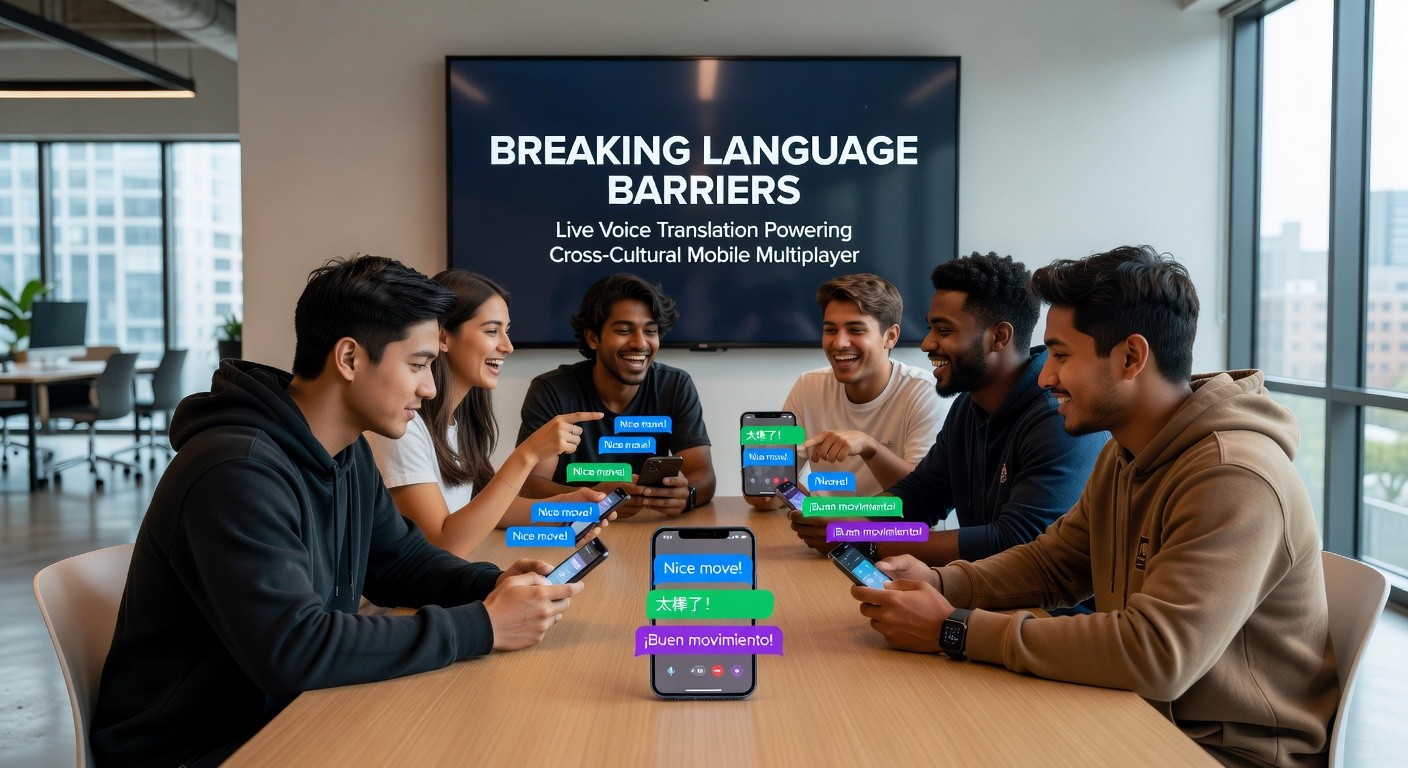
Fortnite's Creative mode took it further with custom voice packs, where Epic Games' tech translates emote calls and build strategies live; stats reveal 35% more international friend adds post-rollout, turning solo queues into global squads.
Even indie darlings like Among Us evolved, with InnerSloth partnering with translation APIs to voice impostor accusations across tongues; crewmates worldwide now debate alibis in real-time, spiking replayability as suspicion builds sans subtitles.
Impact on Player Engagement and Market Growth
Data indicates cross-cultural play surged 180% year-over-year through Q1 2026, per Sensor Tower analytics, as translation tech unlocked emerging markets; Brazil's mobile gamers, numbering 120 million, now matchmake seamlessly with China's 700 million-strong base, fostering retention rates up 28% in translated lobbies.
Turns out, diverse teams innovate faster—studies from the International Game Developers Association found mixed-language groups experiment 45% more with tactics, leading to viral clips shared across TikTok and Bilibili; this organic buzz drives downloads, with titles featuring the tech averaging 2.5x lifetime value per user.
Yet economic ripples extend further: esports tournaments like the Mobile Legends: Bang Bang World Championship in April 2026 broadcast translated comms to 50 million viewers, expanding prize pools to $5 million as sponsors eye unified global audiences.
Challenges and Ongoing Hurdles
Accents pose the biggest snag, with rural dialects tripping up models 15% more often than urban speech; developers counter with crowd-sourced datasets, but rural Indian English or thick Scottish brogues still demand tweaks.
Latency creeps in during 5G blackouts, forcing fallbacks to text; privacy concerns linger too, as voice data zips to clouds, prompting EU regulators under GDPR to mandate opt-ins and local processing by 2027.
So while accuracy hovers at 90% globally, slang evolution—like Gen Alpha memes—requires constant retraining; experts who've studied this observe that federated learning, where devices anonymously improve models, accelerates fixes without central data hoards.
Looking Ahead: April 2026 Milestones and Beyond
April 2026 marked a turning point, with Apple's WWDC unveiling Vision Pro integration for AR multiplayer, translating voices spatially so avatars "speak" in players' native languages; Samsung followed at Galaxy Unpacked, embedding Galaxy AI translation in One UI 8 for 150-language support.
Now, whispers of multimodal translation emerge, blending voice with gestures and on-screen cues; Qualcomm's Snapdragon Game Engine teases zero-latency edge translation by Q4, potentially standardizing it across Android flagships.
It's noteworthy that Asia-Pacific leads adoption, with 65% of top-grossing games featuring the tech; as 5G blankets Africa and Latin America, expect player bases to swell, turning mobile multiplayer into a truly borderless arena.
Conclusion
Live voice translation reshapes mobile multiplayer by dissolving language walls, fueling unprecedented cross-cultural connections that amplify engagement, innovation, and growth; as tech refines—handling accents sharper, latencies lower—gamers everywhere stand to gain richer, more inclusive experiences, proving once again that in gaming, unity trumps division every time.
Figures from recent quarters underscore the momentum, with global cross-region sessions projected to hit 10 billion annually by 2027; the ball's in developers' courts now, to weave this magic into every title and squad.