Blockchain Verification Protocols Enabling Secure Peer-to-Peer Trading of Virtual Goods Across Fragmented Mobile Gaming Ecosystems
Written by Iris Albrecht · Jul 31, 2026
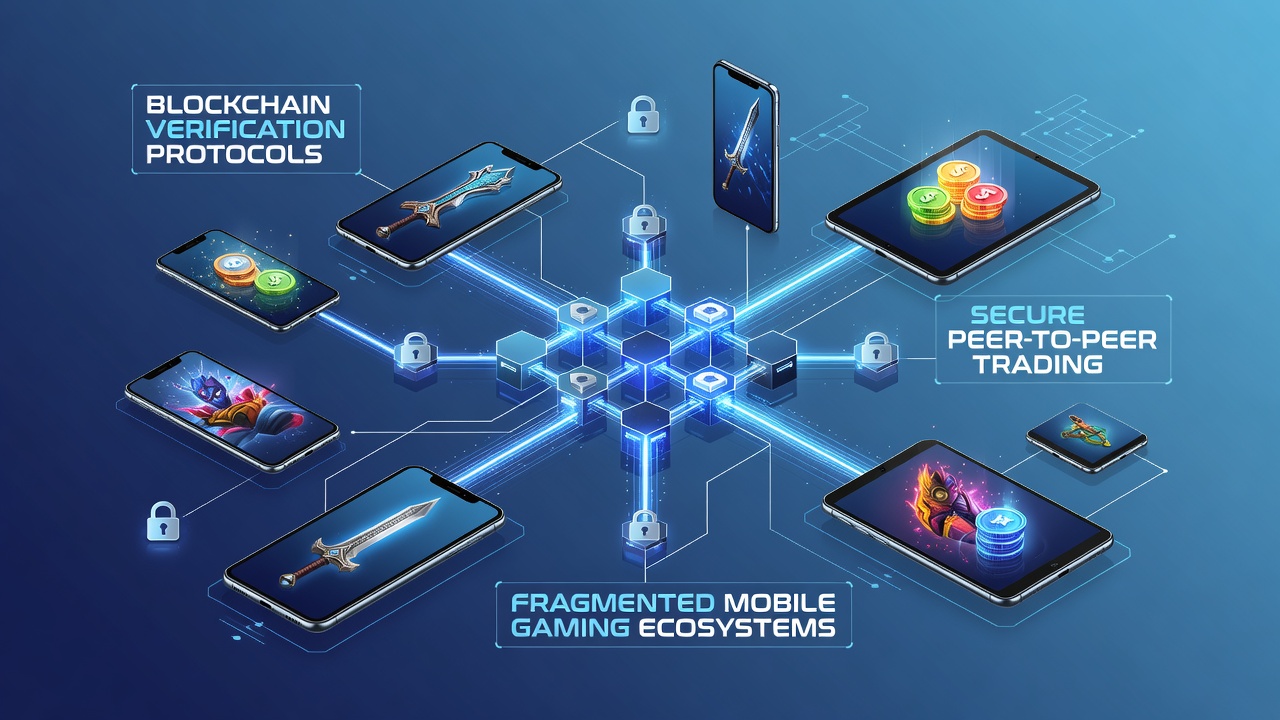
Blockchain Verification Protocols Enabling Secure Peer-to-Peer Trading of Virtual Goods Across Fragmented Mobile Gaming Ecosystems
Blockchain verification protocols now support secure peer-to-peer exchanges of virtual goods inside mobile gaming environments that operate on separate platforms and operating systems. These protocols rely on distributed ledger technology combined with cryptographic methods such as zero-knowledge proofs and smart contract execution to confirm ownership and transfer items without requiring a central intermediary. Researchers at multiple institutions have documented how these systems reduce risks associated with duplication or unauthorized access during trades that span iOS, Android, and emerging device ecosystems.
Core Mechanisms Behind Protocol Operation
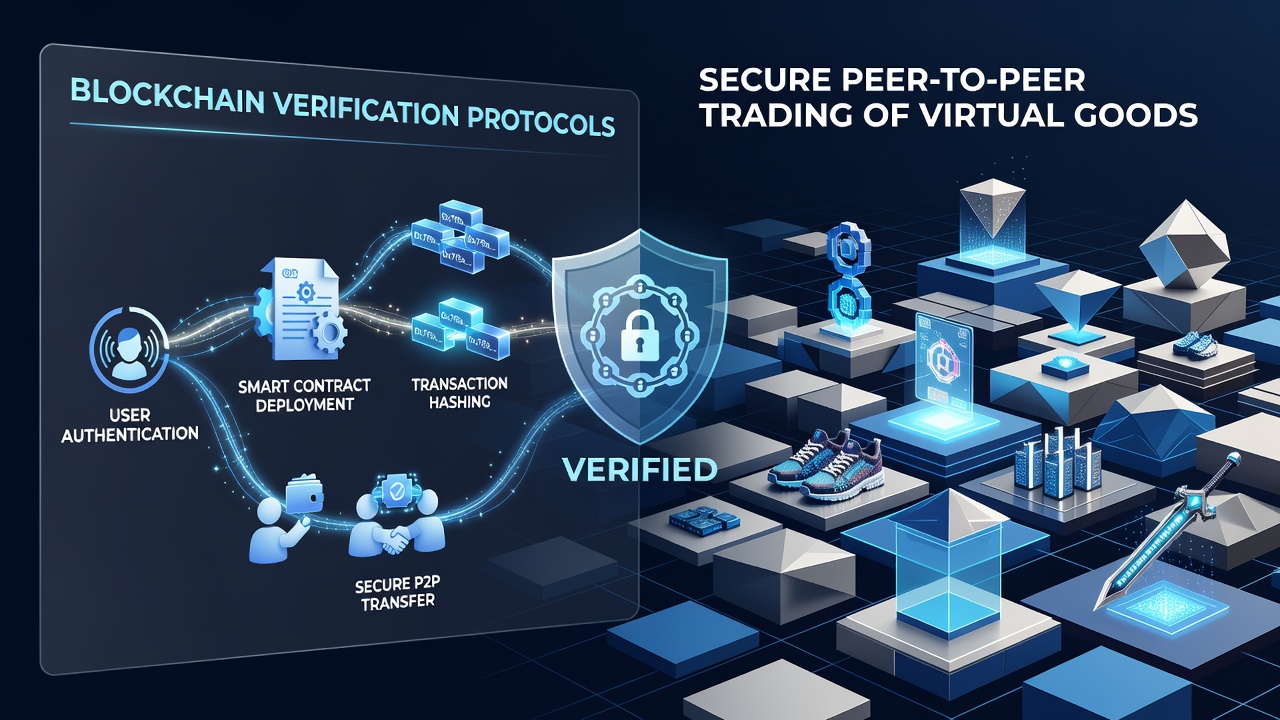
Smart contracts execute predefined rules on the blockchain when two players agree to an exchange, and the ledger records each step in an immutable sequence. Zero-knowledge proofs allow one party to demonstrate possession of a valid item without revealing underlying data, which keeps transaction details private while still satisfying verification requirements. Data from industry reports shows that these combined techniques cut down on fraud incidents in tested mobile environments by confirming asset provenance before any transfer completes.
Fragmented mobile gaming ecosystems present unique challenges because different publishers maintain separate servers and item databases, yet verification protocols bridge those gaps through standardized token representations. Players initiate trades by locking assets in escrow contracts that release only after both sides meet conditions, and the blockchain timestamp provides an auditable trail for any disputes that arise later. Observers note that this approach works across regions where regulatory frameworks differ, as the protocol itself enforces the rules rather than relying on platform-specific policies.
Adoption Patterns Observed Through Mid-2026
By July 2026 several major mobile titles had integrated verification layers that let users swap cosmetics, characters, and in-game currency directly with peers on other devices. Implementation data indicates that transaction volumes rose steadily once protocols added support for cross-chain compatibility, allowing items originating on one network to move to another without loss of integrity. Those who've studied the rollout point out that smaller developers benefited most because they could tap into shared verification infrastructure instead of building proprietary trading systems from scratch.
Security Features and Verification Layers
Multi-signature requirements add another safeguard by needing approval from multiple network participants before a trade finalizes, which distributes trust away from any single server. Hash functions generate unique identifiers for each virtual good so that copies become detectable immediately upon attempted reuse. According to a study published by the University of Melbourne, these layered checks maintained over 99 percent accuracy in simulated high-volume trading scenarios across disconnected mobile platforms.
Regulatory bodies in different jurisdictions have begun examining how these protocols align with existing consumer protection standards. The European Commission published guidance in early 2026 that highlights the role of transparent audit trails in reducing disputes over digital asset ownership. Meanwhile the Canadian Centre for Cyber Security issued recommendations focused on key management practices that mobile developers should follow when deploying blockchain-based trading features.
Practical Examples Across Gaming Titles
One documented case involved a multiplayer strategy game where players exchanged rare units through a protocol that verified each asset against the original minting record on the ledger. Another example came from a casual collection title whose developers used side-chain technology to handle high-frequency micro-trades without congesting the main network. These instances demonstrate that verification remains consistent even when ecosystems differ in graphics standards, payment methods, and user base sizes.
Industry organizations such as the Interactive Software Federation of Europe have tracked how verification protocols affect player retention metrics in participating titles. Figures reveal that games offering secure peer-to-peer options saw measurable increases in session length once trading features stabilized. The approach also supports emerging markets where device fragmentation remains high, because the protocol operates independently of local app store rules.
Conclusion
Blockchain verification protocols continue to expand the possibilities for secure trading of virtual goods inside fragmented mobile gaming ecosystems. Through cryptographic confirmation and distributed execution, these systems establish ownership and enable transfers across platforms that previously operated in isolation. Data collected through 2026 indicates steady integration across developer communities, supported by guidance from regulatory and academic sources in multiple regions. The resulting infrastructure provides a factual foundation for continued evolution in how players exchange digital items on mobile devices.