Augmented Reality Overlays Transforming Everyday Commutes into Collaborative Puzzle Hunts on Smartphones
Written by Iris Albrecht · May 20, 2026
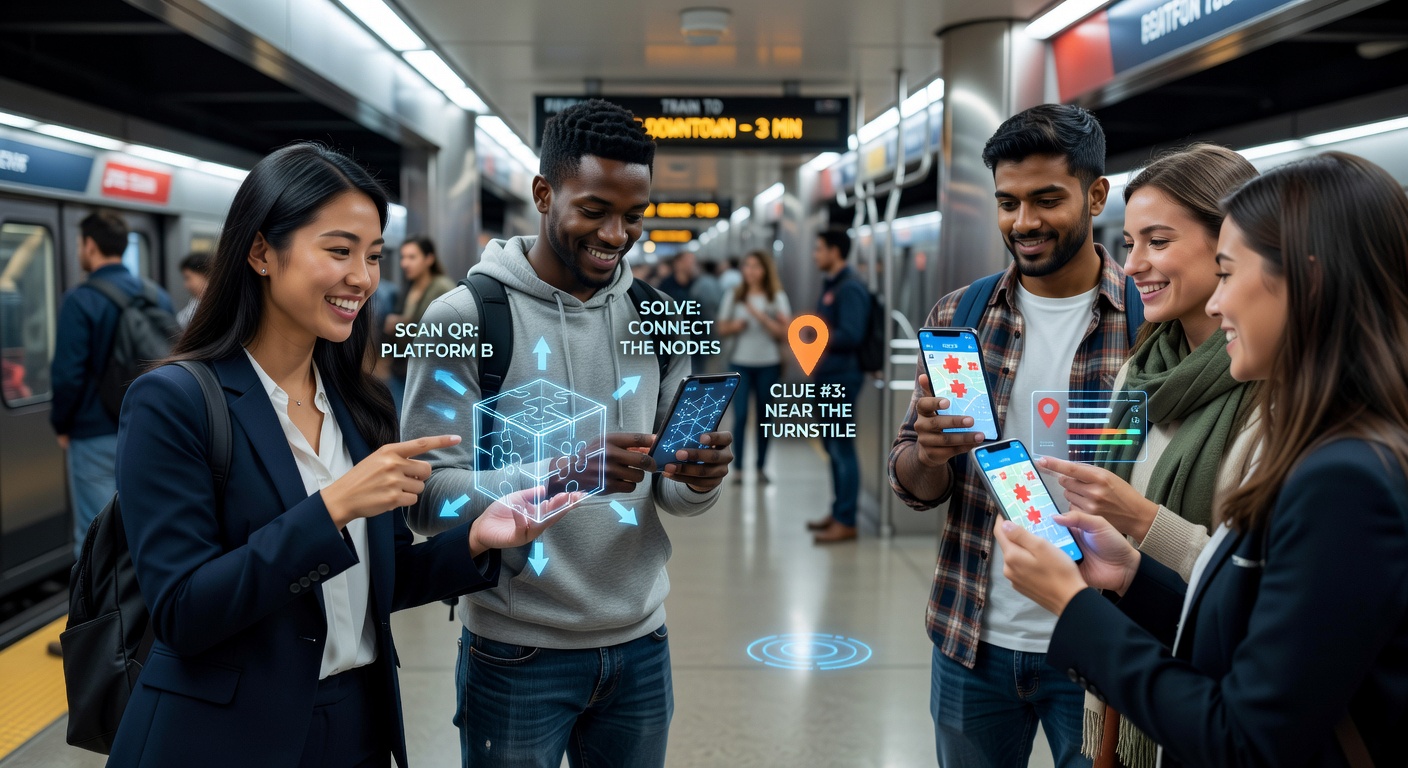
Augmented Reality Overlays Transforming Everyday Commutes into Collaborative Puzzle Hunts on Smartphones
Augmented reality technology now layers interactive digital elements directly onto smartphone camera feeds, and commuters in major cities have started using these overlays to convert routine trips into shared puzzle-solving sessions that connect strangers across transit networks. Researchers at institutions like the University of Melbourne documented how AR systems combine GPS data with real-time environmental scanning to generate location-specific challenges that players solve together through their devices while traveling on trains or buses.
Developers integrate computer vision algorithms with mapping services so that virtual objects appear anchored to physical landmarks such as station signs or overhead cables, adn participants receive clues that require coordinated input from multiple users riding similar routes. Data from transport analytics firms shows participation rates climbing steadily through early 2026 as network coverage improves in urban corridors.
How AR Systems Enable Shared Puzzle Mechanics
Smartphone sensors track user movement and orientation while AR frameworks like ARCore and ARKit render puzzle elements that adapt to changing light conditions and crowd density, and this setup allows groups to contribute partial solutions that unlock collective progress markers visible to everyone in the session. Observers note that synchronization happens through cloud servers which match players based on proximity and schedule patterns, turning independent commutes into loosely organized team efforts without requiring direct conversation.
Studies conducted by transport authorities in Singapore highlight how these overlays reduce perceived travel time for participants by focusing attention on puzzle sequences rather than delays, and the same reports indicate average session lengths extending to 22 minutes on typical metro lines. Engineers continue refining occlusion handling so digital clues stay hidden behind real-world obstacles until users reach specific viewpoints, adding layers of discovery that encourage repeated routes.
Collaborative Features Driving User Engagement
Players form temporary alliances by scanning QR codes displayed on fellow commuters' screens or joining geofenced lobbies that activate at peak hours, and this approach lets individuals contribute unique skills such as pattern recognition or spatial reasoning to advance shared objectives. Figures from the International Telecommunication Union reveal that AR-enabled mobile gaming sessions increased by 34 percent year-over-year in densely populated regions by May 2026, with puzzle hunt formats accounting for a growing share of that growth.
One documented implementation in European transit systems rewards teams for completing multi-stop sequences where each station reveals a new fragment, and success depends on accurate timing between transfers to maintain group momentum. Developers incorporate accessibility options including voice-guided navigation and simplified interfaces so broader demographics can join without advanced technical knowledge.
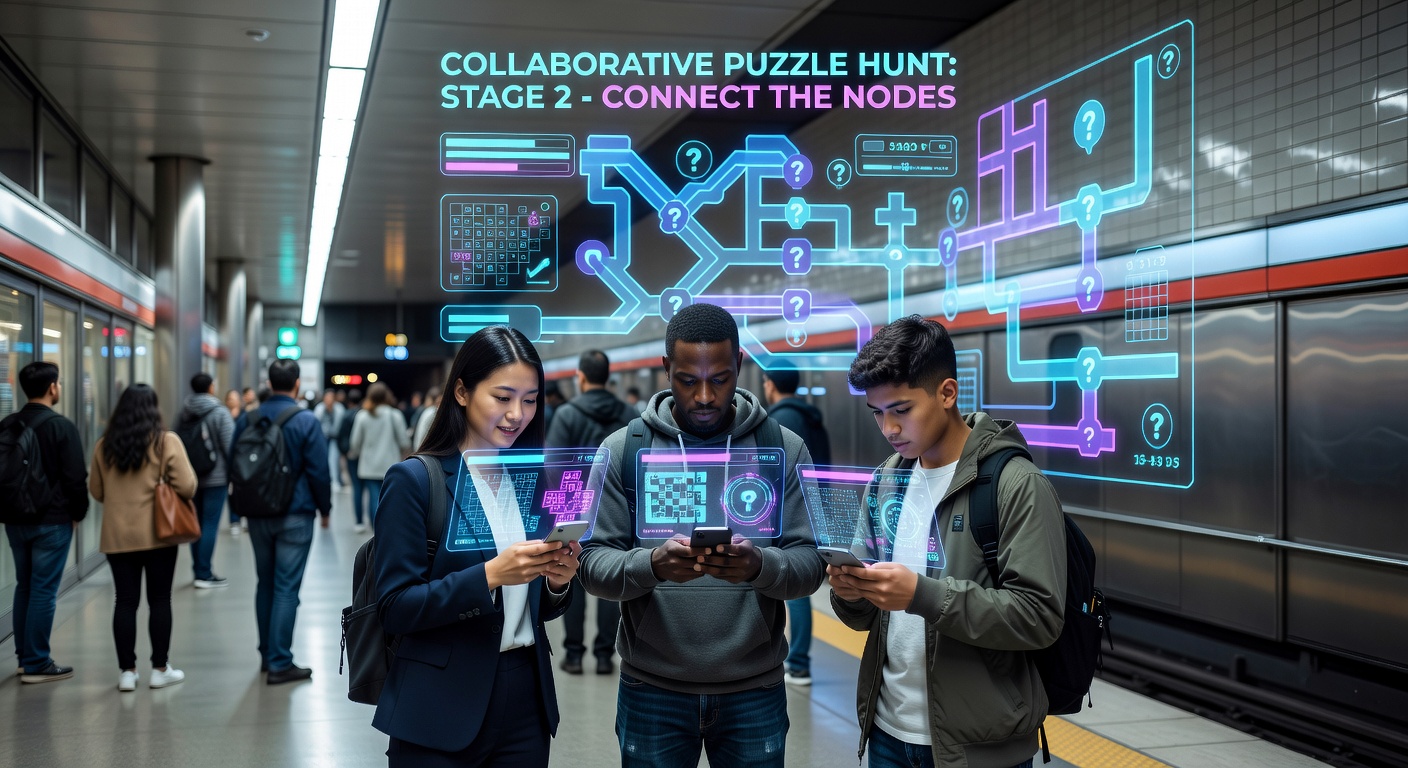
Current Developments Observed in May 2026
Transit operators in North American cities launched pilot programs during May 2026 that integrate AR puzzle platforms with live schedule feeds, allowing hunts to pause automatically when vehicles stop and resume upon departure. According to research published by the Transportation Research Board, these integrations have produced measurable upticks in rider satisfaction scores among frequent users who report higher engagement levels during otherwise repetitive journeys.
Hardware improvements in mid-range smartphones now support higher-resolution AR rendering without excessive battery drain, and software updates released that month introduced cross-platform compatibility between Android and iOS devices participating in the same session. Industry reports from the Mobile Games Association note that collaborative puzzle formats have begun influencing mainstream app design, prompting developers to explore similar mechanics for non-commute scenarios.
Technical and Infrastructure Considerations
Network latency remains a key factor because real-time collaboration requires consistent data exchange between devices and central servers, yet 5G rollout in metropolitan areas has alleviated many earlier bottlenecks that disrupted hunt continuity. Experts at research centers in Canada have examined how edge computing reduces processing delays by handling rendering tasks closer to the user, and preliminary results suggest noticeable improvements in responsiveness during high-density rush periods.
Privacy protocols require explicit user consent for location sharing and data aggregation, with anonymized datasets used to refine puzzle generation algorithms without storing individual travel histories. These safeguards address regulatory expectations set by bodies across multiple regions and help maintain trust as adoption widens.
Conclusion
Augmented reality overlays continue to reshape smartphone use during daily travel by merging physical movement with digital collaboration, and ongoing refinements in sensor fusion and connectivity support broader implementation. As infrastructure expands and user bases grow, the format offers a structured way for commuters to interact with their surroundings and each other through shared problem-solving activities that evolve alongside available technology.