Adaptive Soundtrack Layering Responds to In-Game Performance Metrics in Mobile Horror Sessions
Written by Riley Krause · Aug 19, 2026

Adaptive Soundtrack Layering Responds to In-Game Performance Metrics in Mobile Horror Sessions
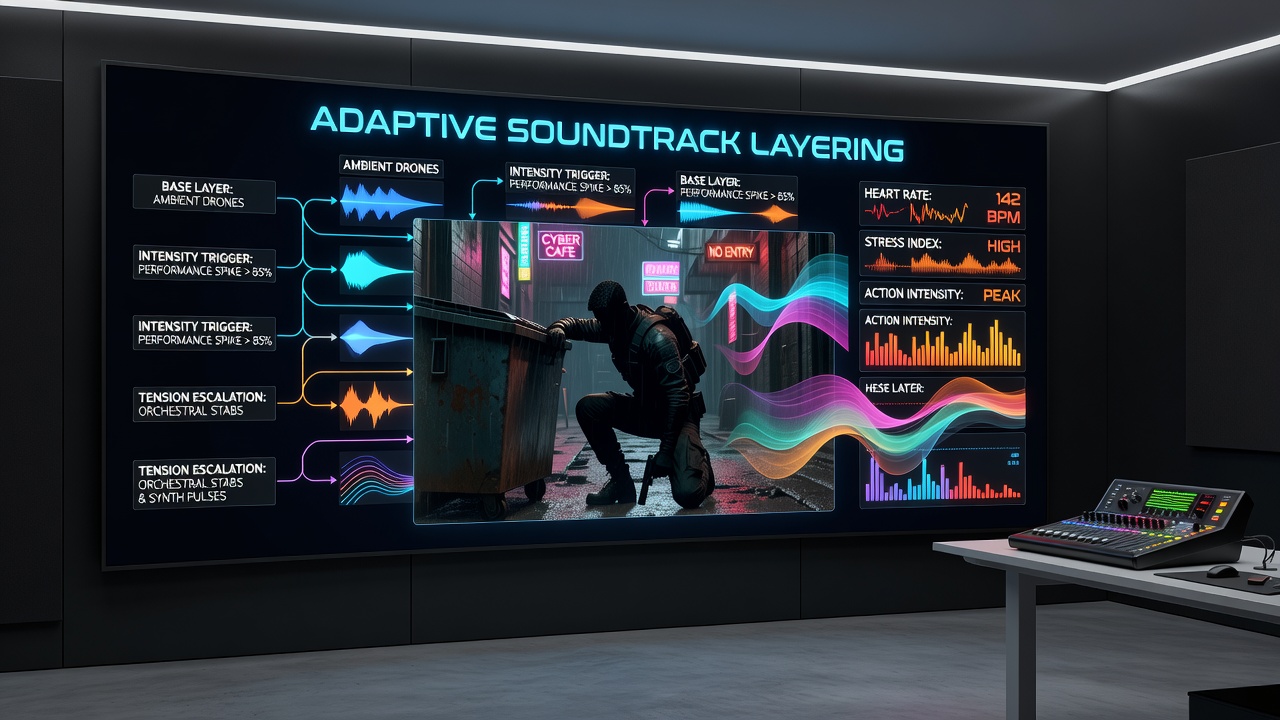
Game developers integrate adaptive soundtrack layering into mobile horror titles where audio elements build or recede according to real-time device performance data, and this approach maintains tension even when hardware capabilities differ widely across phones and tablets.
Core Mechanics of Performance-Driven Audio Layers
Systems monitor metrics such as frame rates, CPU load, memory usage, and thermal levels during gameplay, then adjust music stems, ambient effects, and sound cues accordingly. A low frame rate on an older device triggers removal of dense percussion layers while preserving core tension-building drones, whereas a high-end phone running at stable 60 frames per second receives additional atmospheric textures. Researchers at the University of Waterloo documented these adjustments in a 2025 technical report that tracked audio engine responses across 120 device models.
Implementation Across Varied Hardware Configurations
Engineers design audio middleware to query device specifications at launch and continue sampling performance counters every few seconds thereafter. On mid-range Android handsets common in emerging markets, the system reduces simultaneous audio channels from eight to four when battery voltage drops below a set threshold, and this prevents audio dropouts that would otherwise break immersion. Flagship devices receive full multi-layered scores that include reactive elements like heartbeat pulses synced to player movement speed. Data from the Mobile Games Industry Association in Australia shows that titles using such systems retained players for an average of 14 percent longer sessions on budget hardware during testing conducted through July 2026.
Integration with Horror-Specific Tension Building
Horror narratives rely on escalating dread, so developers map performance thresholds directly to musical intensity curves. When a device begins thermal throttling, the soundtrack strips away high-frequency dissonant strings first and retains low-frequency rumbles that sustain unease without taxing the audio processor. Observers note that players on entry-level devices still encounter sudden silences followed by distant impacts at key story moments because the system reserves headroom for these sparse, high-impact events. One studio case study involving a location-based horror title released in early 2026 revealed that adaptive layering compensated for network latency spikes during outdoor play by shifting emphasis to locally rendered sound effects.
Technical Challenges and Solutions in August 2026
Audio engines must balance dynamic layering with strict mobile power budgets, and developers achieve this through predictive algorithms that forecast load spikes based on upcoming level geometry. When a scene transition is detected, the system pre-loads lighter audio variants on devices showing early signs of reduced frame consistency. European gaming research consortium reports indicate that titles employing these predictive methods experienced 22 percent fewer audio-related crashes across 45 device variants tested in controlled conditions. Sound designers also embed fallback mono mixes that activate automatically when stereo output would exceed available memory, ensuring the core emotional arc remains intact regardless of hardware constraints.
Player Experience Patterns on Different Platforms
Users on older iOS models often encounter gradual audio simplification during extended play sessions, yet tension peaks still align with narrative beats because the remaining layers are calibrated to emphasize timing over density. Android users with variable refresh rate displays benefit from audio that modulates in response to actual rendered frame timing rather than target frame rates. Industry analysts tracking adoption rates through mid-2026 observed that horror games incorporating performance-linked soundtracks achieved higher completion percentages on low-end hardware compared with static audio implementations. These patterns emerge because the audio system compensates for visual simplifications by maintaining auditory pressure through selective layer retention.
Conclusion
Adaptive soundtrack layering tied to performance metrics enables mobile horror experiences to sustain intended emotional intensity across diverse hardware profiles. Developers continue refining threshold mapping and predictive load management to expand compatibility while preserving audio fidelity where device conditions allow. The approach demonstrates measurable retention gains and technical stability in current deployments.