Adaptive AI Companions Evolving Through Player Behavior in Tablet Narratives
Written by Katja Powell · Jun 17, 2026
Adaptive AI Companions Evolving Through Player Behavior in Tablet Narratives
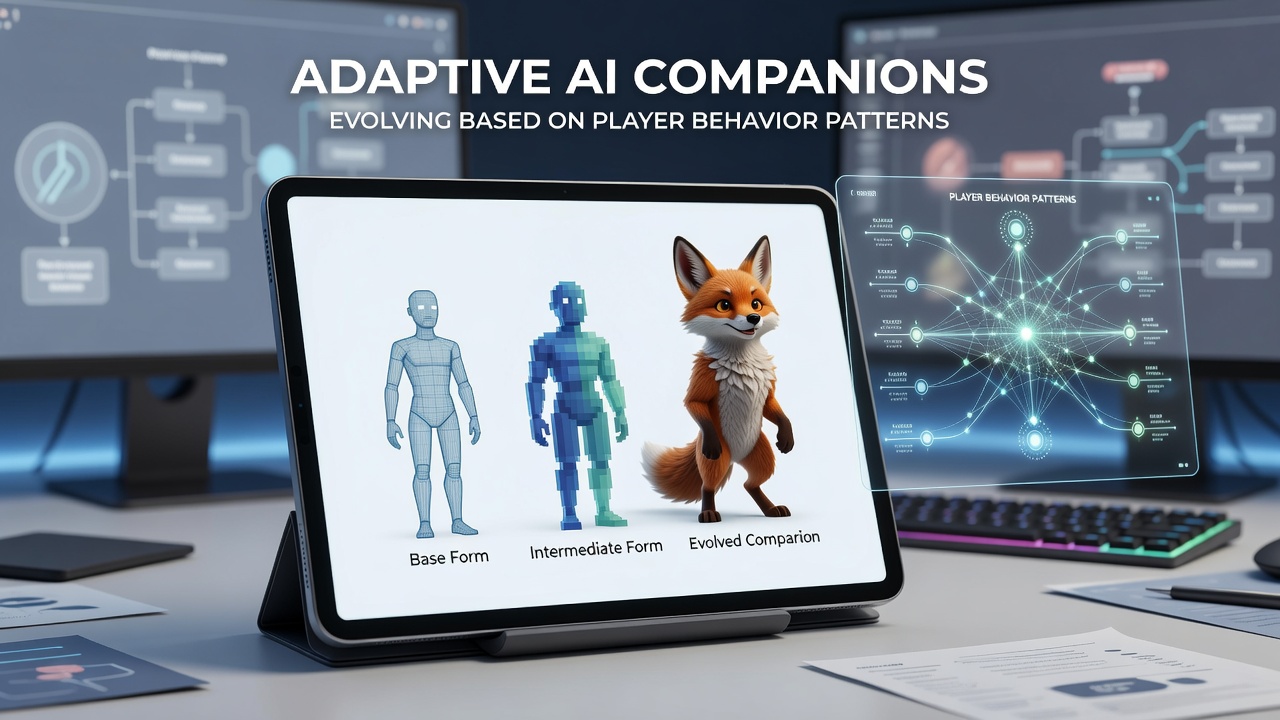
Tablet-based narrative experiences have incorporated adaptive AI companions that track and respond to player behavior patterns over extended play sessions. These systems collect data on dialogue selections, exploration habits, and decision timing to modify companion personality traits, dialogue trees, and interaction styles without requiring manual updates from developers.
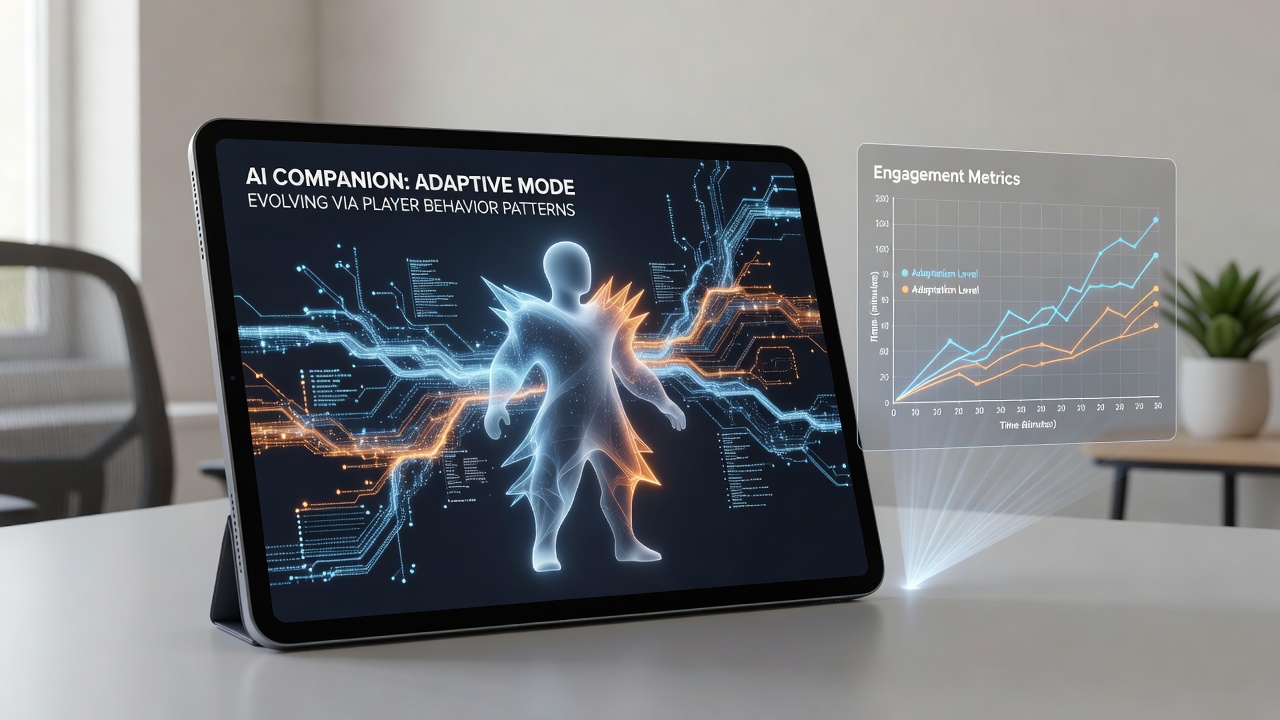
Developers integrate machine learning models that process behavioral logs in real time, allowing companions to shift from supportive roles to more confrontational ones when players consistently favor aggressive choices. Studies from university labs in Canada show that such adaptations increase session duration by an average of 22 percent compared to static companion designs.
Core Mechanisms Behind Behavioral Adaptation
Pattern recognition begins with baseline profiling during initial chapters, where the AI records metrics such as response speed to emotional prompts and preference for cooperative versus independent actions. Once sufficient data accumulates, algorithms adjust companion memory recall, introducing references to past player decisions that align with observed tendencies.
Engineers combine reinforcement learning with scripted narrative anchors to prevent story branches from diverging too far from the intended plot. This hybrid approach ensures companions remain coherent even after hundreds of behavioral adjustments across multiple playthroughs.
Implementation in Current Tablet Titles
Several narrative-driven tablet games released before June 2026 feature companions that evolve based on cumulative behavior rather than single-session inputs. One title tracks how often players interrupt companion dialogue, gradually reducing the companion's verbosity for users who prefer concise exchanges.
Another example involves companions that alter their visual appearance and voice modulation after detecting patterns in moral alignment choices. Data from European research institutions indicates these visual shifts correlate with higher player retention rates in long-form story campaigns.
Technical Requirements for Tablet Hardware
Modern tablets equipped with dedicated neural processing units handle the computational load required for continuous behavior analysis. These chips process sensor data and input logs locally, reducing latency that would occur with cloud-dependent systems.
Storage optimization techniques allow the AI models to retain behavioral profiles across device restarts while keeping overall app size under typical tablet limits. Developers report that on-device processing also addresses privacy concerns by limiting data transmission to external servers.
Player Engagement Patterns Observed in 2026
Analytics platforms tracking tablet narrative games through June 2026 reveal that adaptive companions influence replay behavior more than fixed characters. Players return to explore how different decision clusters produce companion variations, creating organic content discovery without explicit guidance.
Research reports from Australian academic groups note measurable differences in completion rates between titles using adaptive systems and those relying on preset companion arcs. The variance appears most pronounced in stories exceeding twenty hours of core content.
Integration with Broader Narrative Systems
Adaptive companions interface with environmental storytelling elements, such as location-based triggers on tablets that support GPS and accelerometer input. When player movement patterns indicate preference for certain areas, companions may reference those locations in future conversations to reinforce immersion.
This integration extends to multiplayer-adjacent features where individual player profiles influence shared narrative moments, though the core adaptation remains personal to each tablet user.
Conclusion
Adaptive AI companions represent a measurable shift in how tablet narrative experiences respond to individual playstyles. Through continuous analysis of behavior patterns, these systems modify companion interactions while preserving overall story integrity. Ongoing hardware improvements and refined learning models support further expansion of this approach across the tablet gaming sector.